
Sawankhalok Model
Category : UrbanDevelopment
Published Date : 2025-12-20 10:53:00
Sawankhalok Model
Development of a Cultural Practitioner Network for World Heritage Connectivity
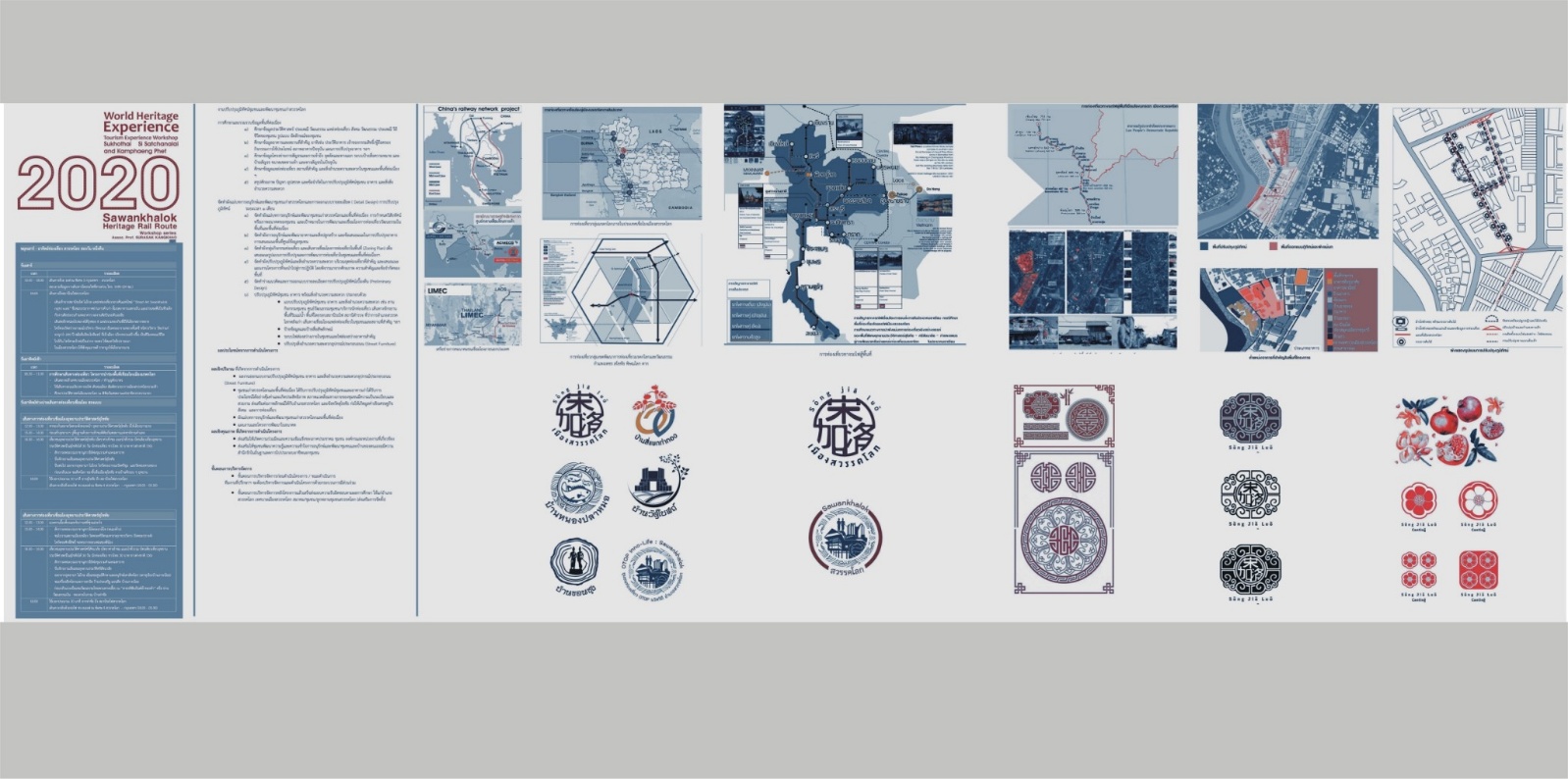
(WHE 2020 Sawankhalok Model : Sawankhalok Heritage Rail Route)
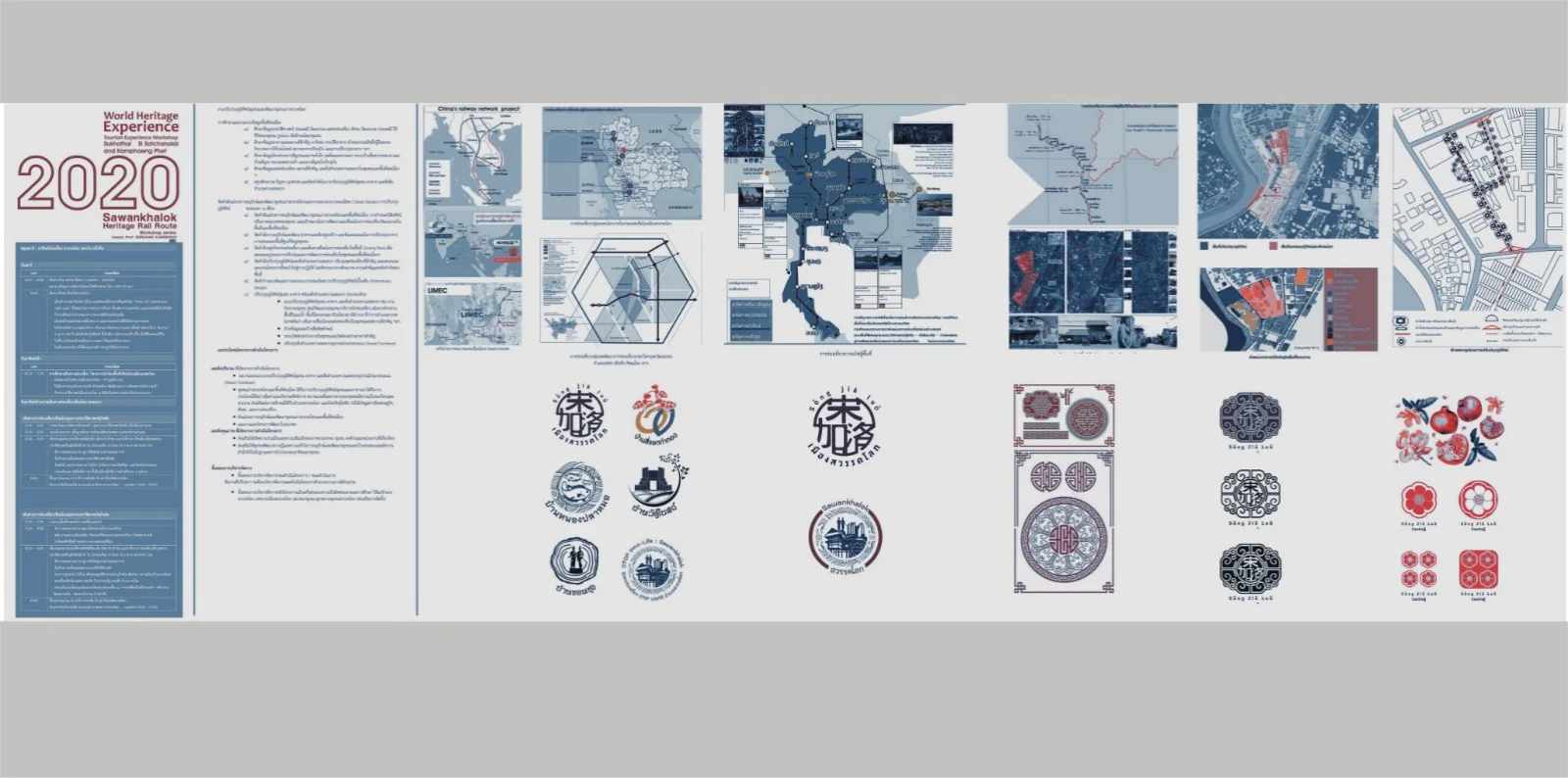
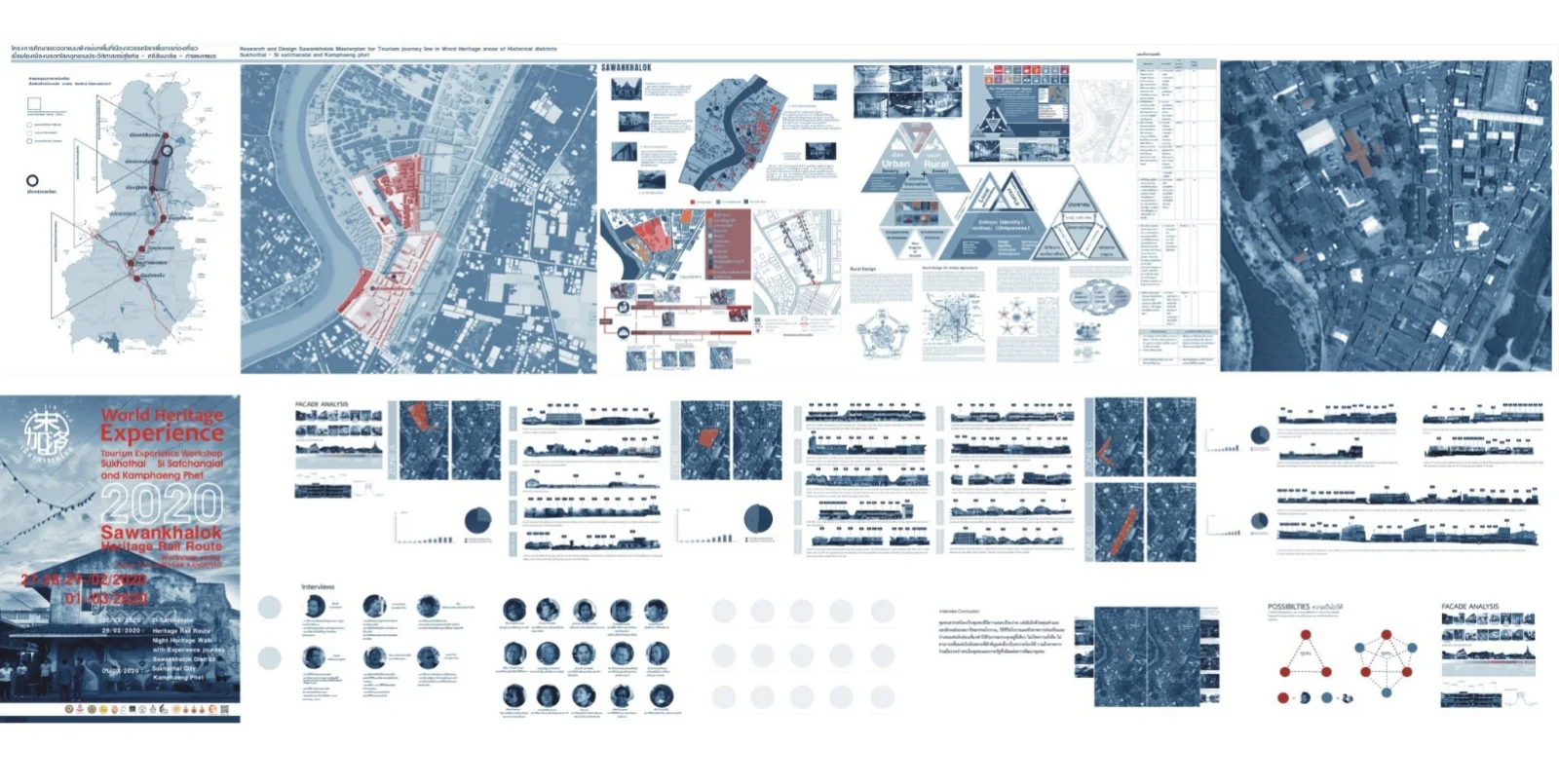
The WHE 2020 Sawankhalok Model is part of a broader study and master planning initiative for Sawankhalok Urban Area, aimed at strengthening cultural tourism connectivity between the World Heritage Historic Parks of Sukhothai, Si Satchanalai, and Kamphaeng Phet. The project focuses on establishing a network of cultural practitioners while testing a community-based tourism framework grounded in local identity, heritage, and spatial character.
The project was implemented through a Workshop Series: Sawankhalok Heritage Rail Route, conducted on 28–29 February 2020 at Sawankhalok Railway Station, Sawankhalok District, Sukhothai Province, using the railway corridor and historic urban core as a living laboratory.
Conceptual Framework and Approach
The project emphasizes urban development based on Identity and Character, integrating historical, social, and cultural dimensions of the city into tourism planning and spatial design. Community participation was embedded throughout the process, alongside systematic data collection conducted collaboratively by researchers and local networks.
Tourism programs were tested through community-based tourism (CBT) trials, enabling local residents to actively participate in route design, interpretation, and operational testing. A shared database was developed to document historical, architectural, and social information, supporting long-term urban management and heritage conservation.
Cultural Asset Identification and Spatial Linkage
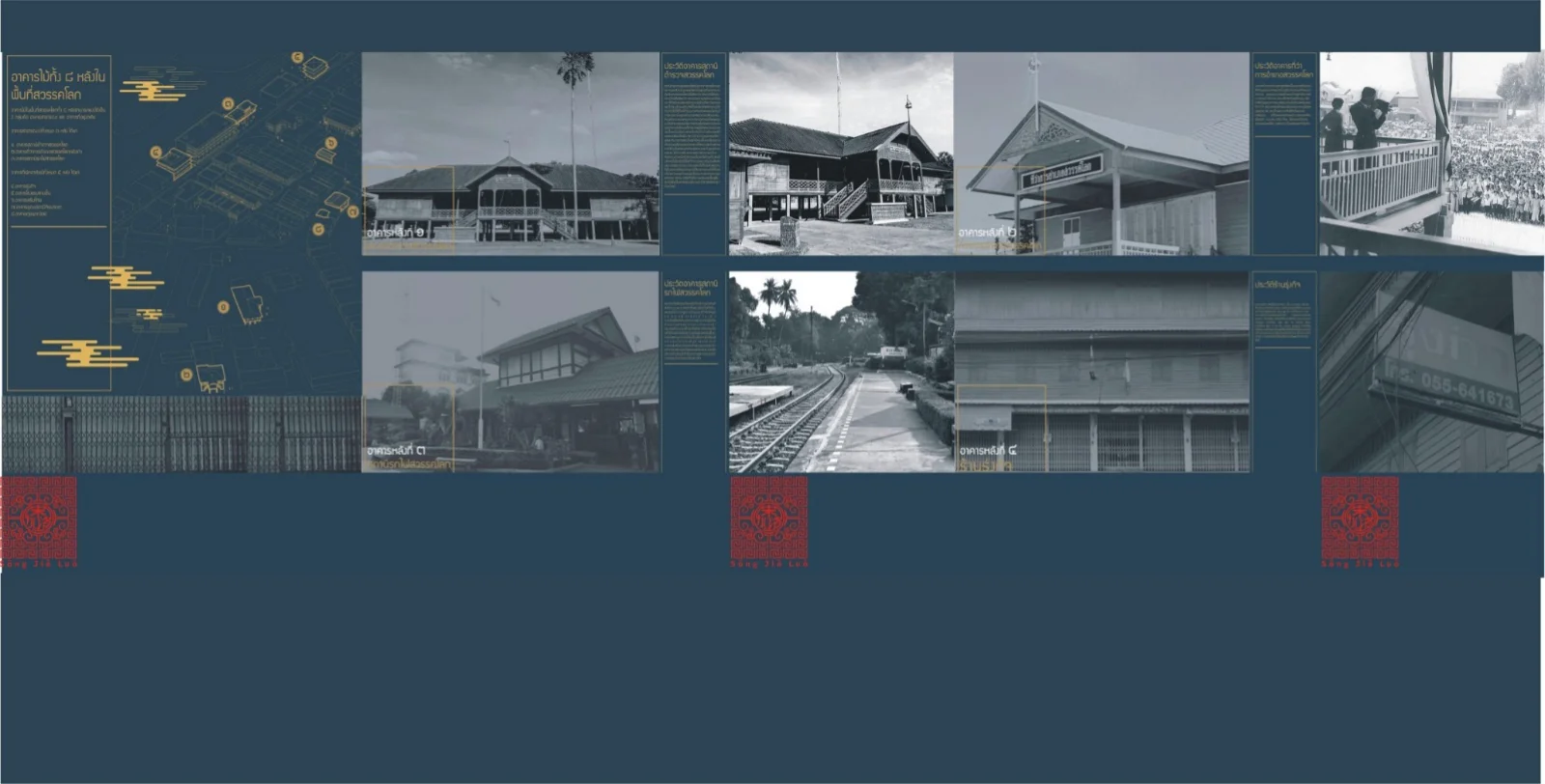
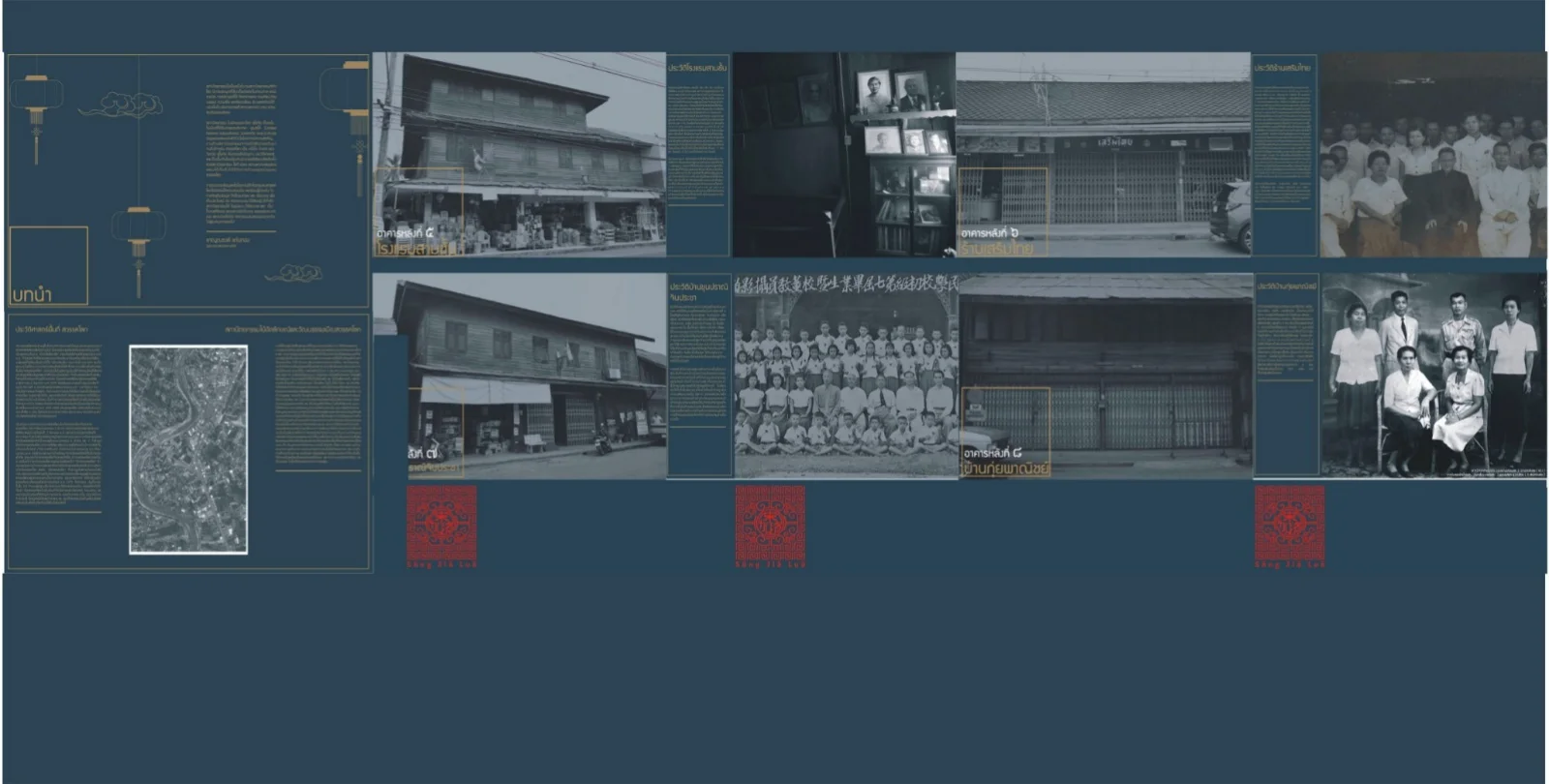
A key component of the project was the identification and integration of architectural heritage assets, including both public and private wooden structures, to reinforce urban legibility and district identity. Key sites included:
- The Old District Office Building
- The Panya-style Sawankhalok Police Station
- Sawankhalok Railway Station
- Baan Khun Pranee Chinpracha
- Historic commercial buildings such as Kui Panich, Go-Ek Hotel, and Rungkit Shop
- Chinese community areas and the Sawankhalok Street Art district
These assets were connected through a heritage rail route, strengthening spatial continuity and enhancing cultural tourism experiences within the city.
Community and Youth Engagement
The project actively promoted youth group formation within the community, positioning young residents as local operators, cultural interpreters, and facilitators of urban activities. Knowledge exchange was facilitated through group discussions and public forums involving local leaders, professionals, academics, and community representatives.
Collaborative Network
The project adopted a multidisciplinary and multi-sectoral collaboration model, involving:
- Public and Policy Sector: Provincial Public Works and Town & Country Planning Office, district administration, Sawankhalok Police Station, and the State Railway of Thailand
- Academic Sector: King Mongkut’s Institute of Technology Ladkrabang, Naresuan University, Rajamangala University of Technology (Uthenthawai and Srivijaya campuses), and international expertise from Ball State University, USA
- Private and Local Sector: Sukhothai City Development Co., Ltd., Provincial Industry Council, Tourism Industry Council, local scholars, and community representatives
Expected Outcomes
The Sawankhalok Model serves as a prototype for heritage-based urban innovation, demonstrating how cultural capital, community participation, and spatial planning can be integrated into a resilient tourism framework. By establishing a clear Heritage Rail Route and revitalizing the architectural identity of the city, the project strengthens the connection between local livelihoods and the broader World Heritage network of the region.