
Swan Sedz Space
Category : UrbanDevelopment
Published Date : 2025-12-20 10:54:53
Swan Sedz Space
Revitalizing Sawankhalok: Swan Sedz Space – A Sustainable Community Hub
Introduction
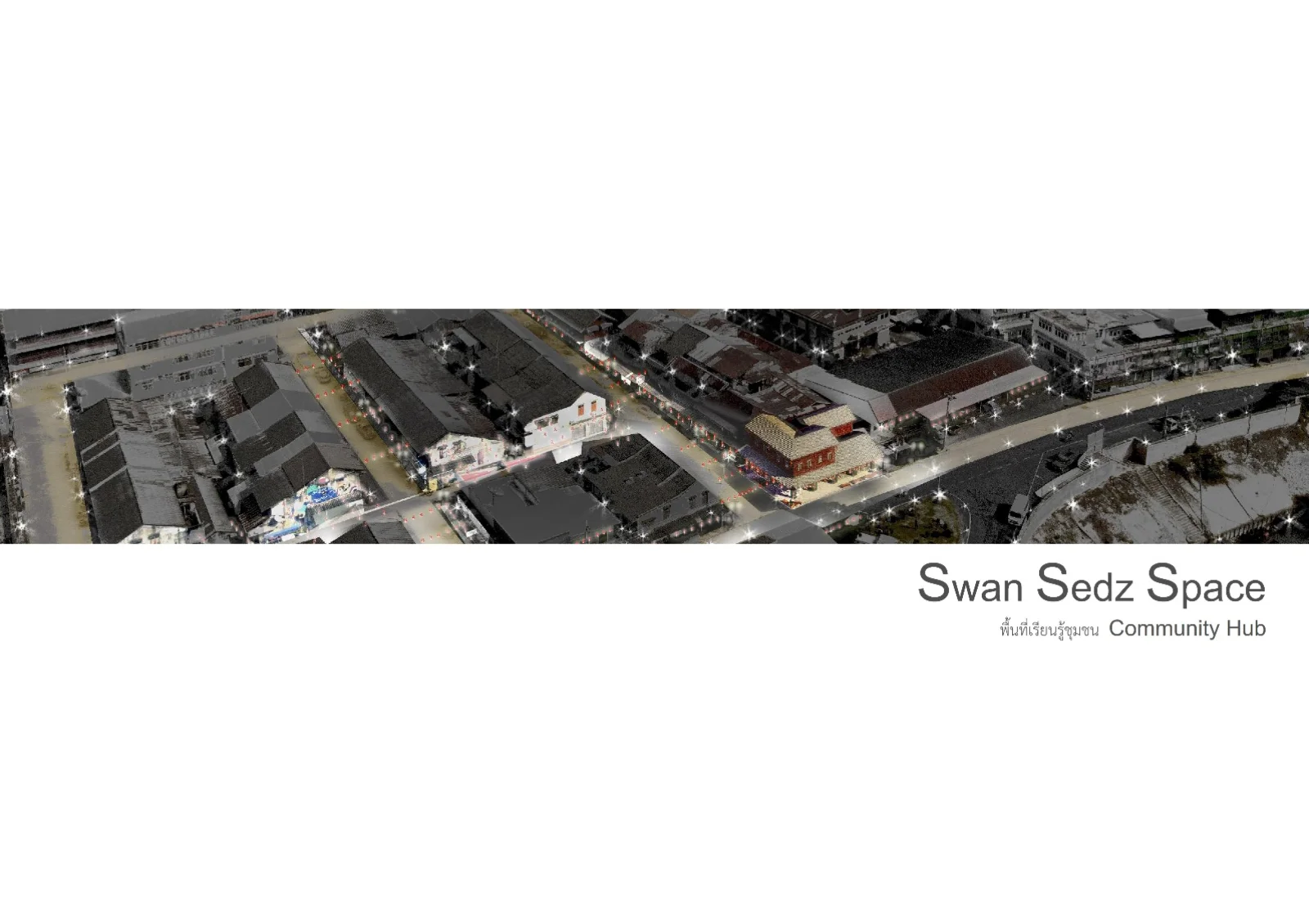
Sawankhalok, a historic district in Sukhothai Province, is evolving beyond its role as a gateway to World Heritage Sites. The Swan Sedz Space (SSS) project has been developed as a Community Hub that integrates heritage identity with modern, sustainable economic development.
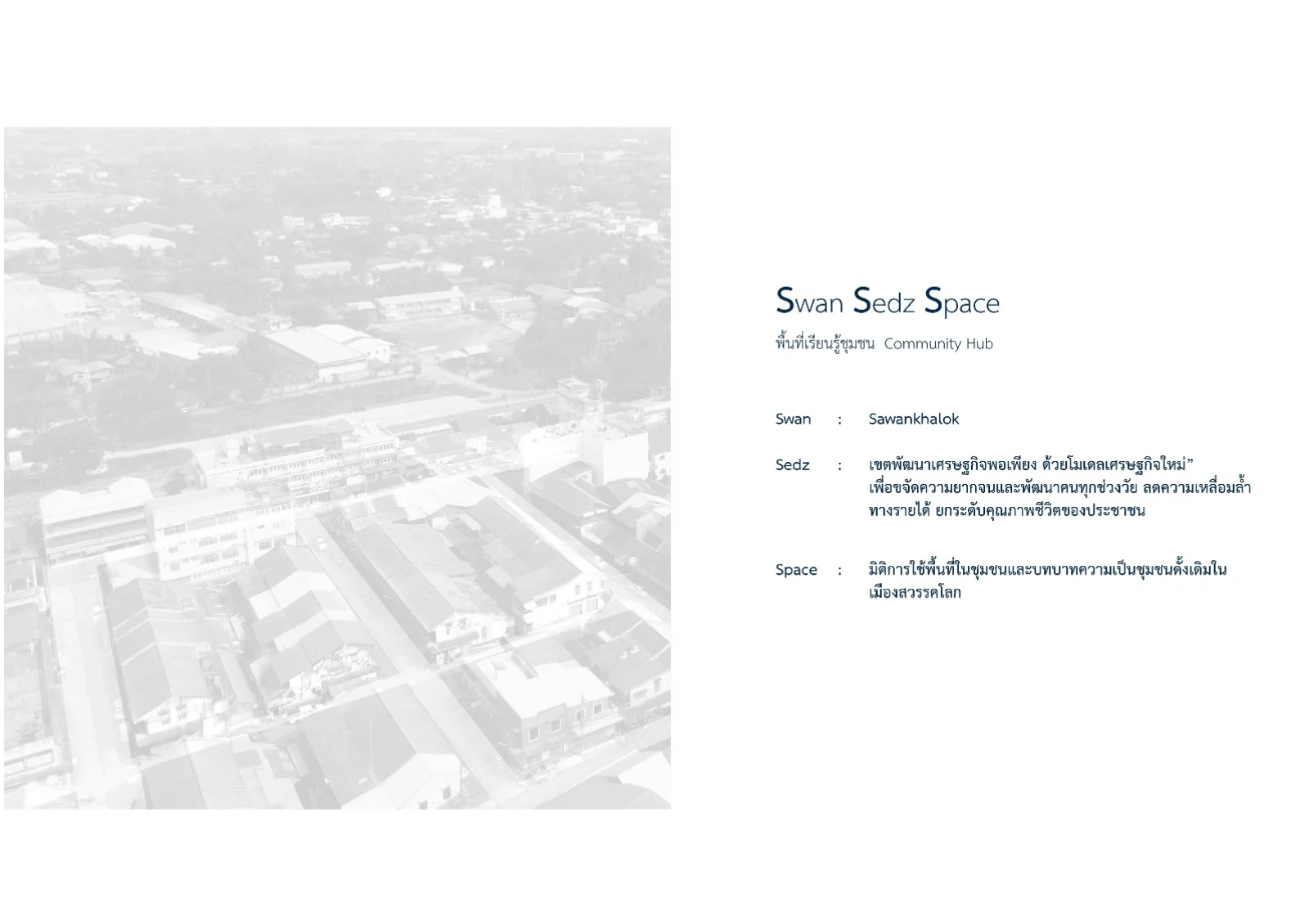
Defining “SSS”
Swan (Sawankhalok):
Refers to the local identity of Sawankhalok — a district known for its historical wooden architecture and centuries-old cultural heritage.
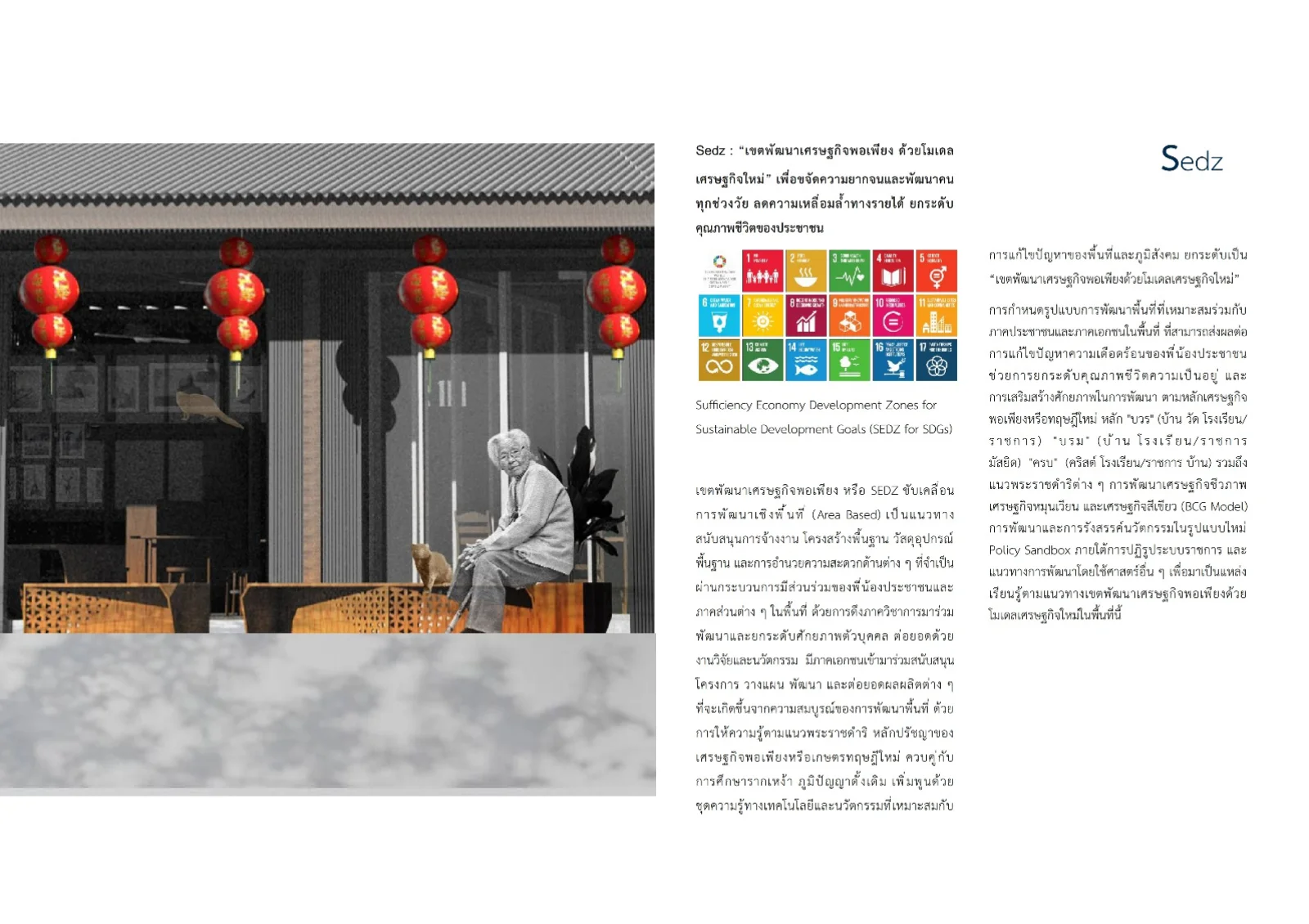
Sedz (Sufficiency Economy Development Zones):
A development model aligned with sustainable principles — aiming to reduce poverty, balance income distribution, and enhance quality of life via the Bio-Circular-Green (BCG) economy. (Concept derived from national sustainable development frameworks.)
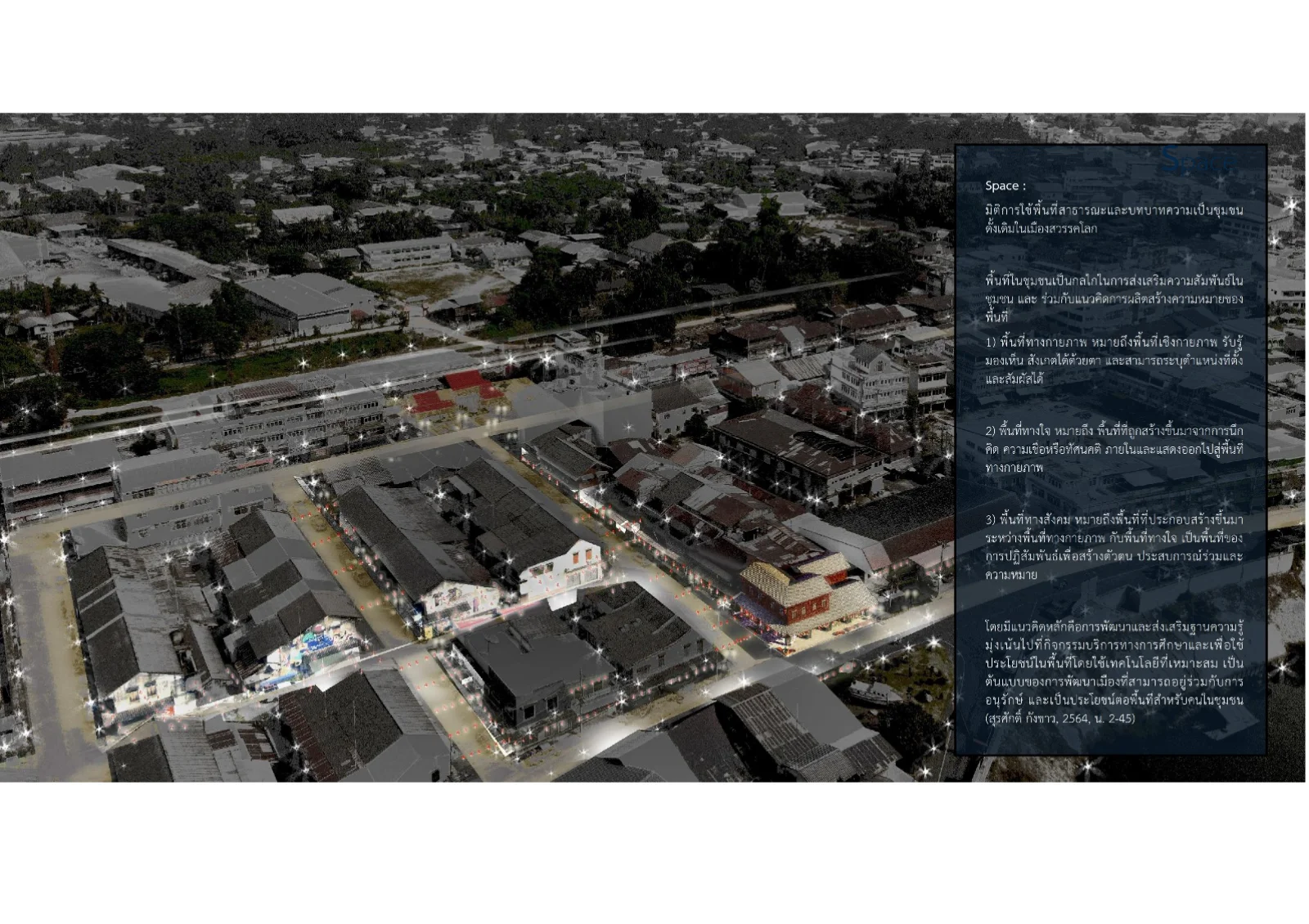
Space:
Represents the physical, social, and cultural arenas that foster public interaction, collective identity, and community expression.
Connecting Heritage to Tourism
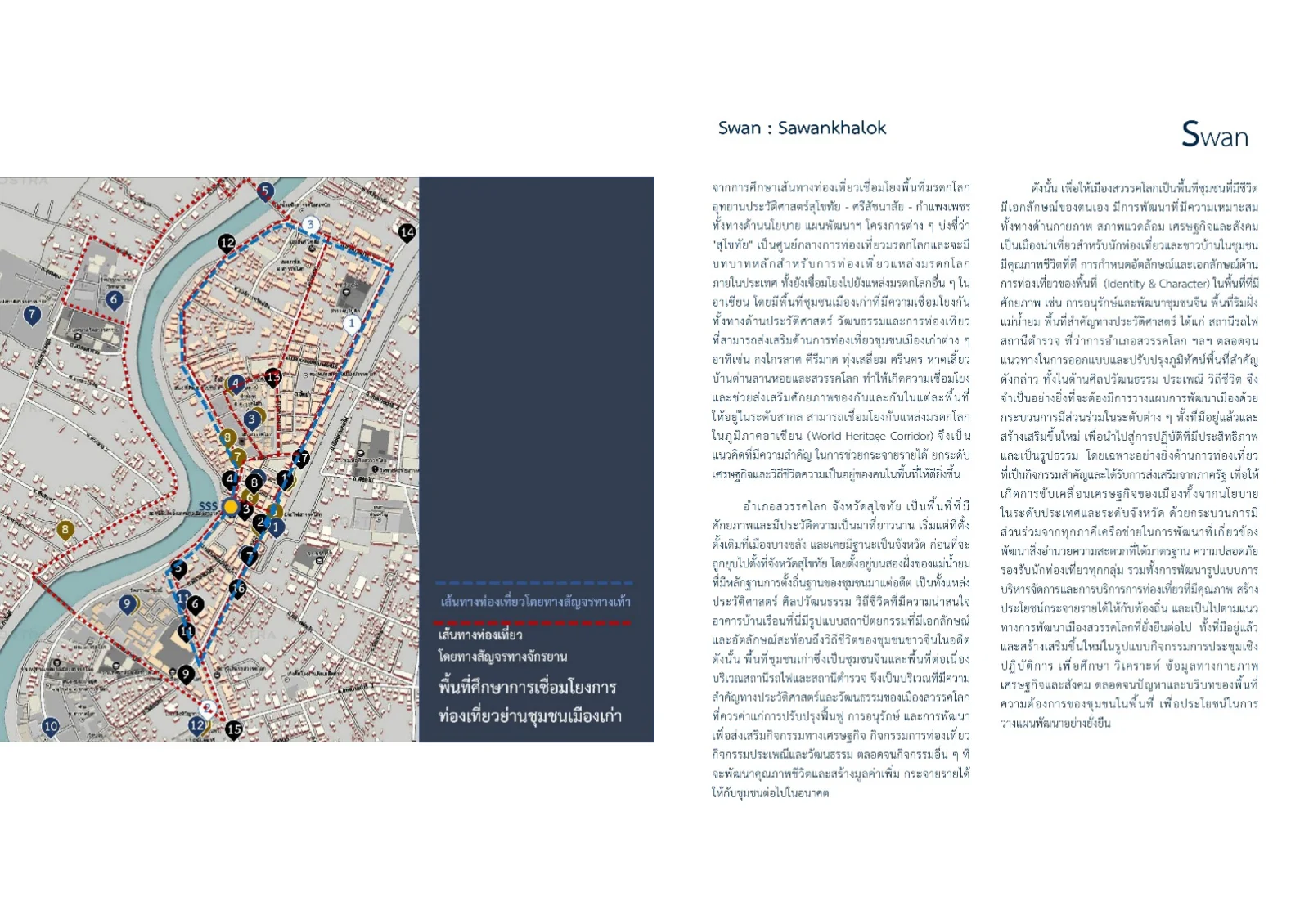
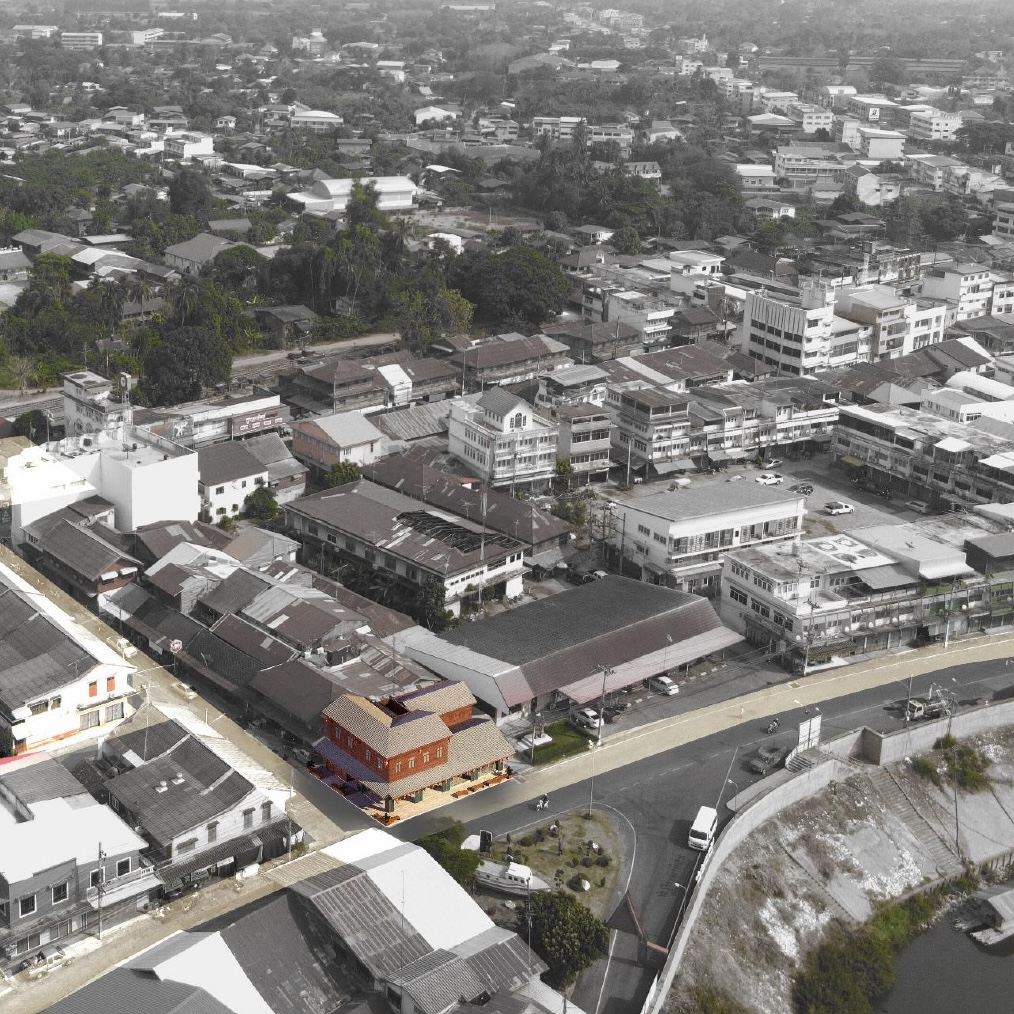
Sawankhalok is strategically located near the World Heritage Corridor — linking Sukhothai, Si Satchanalai, and Kamphaeng Phet. This corridor is significant for cultural tourism and heritage preservation.
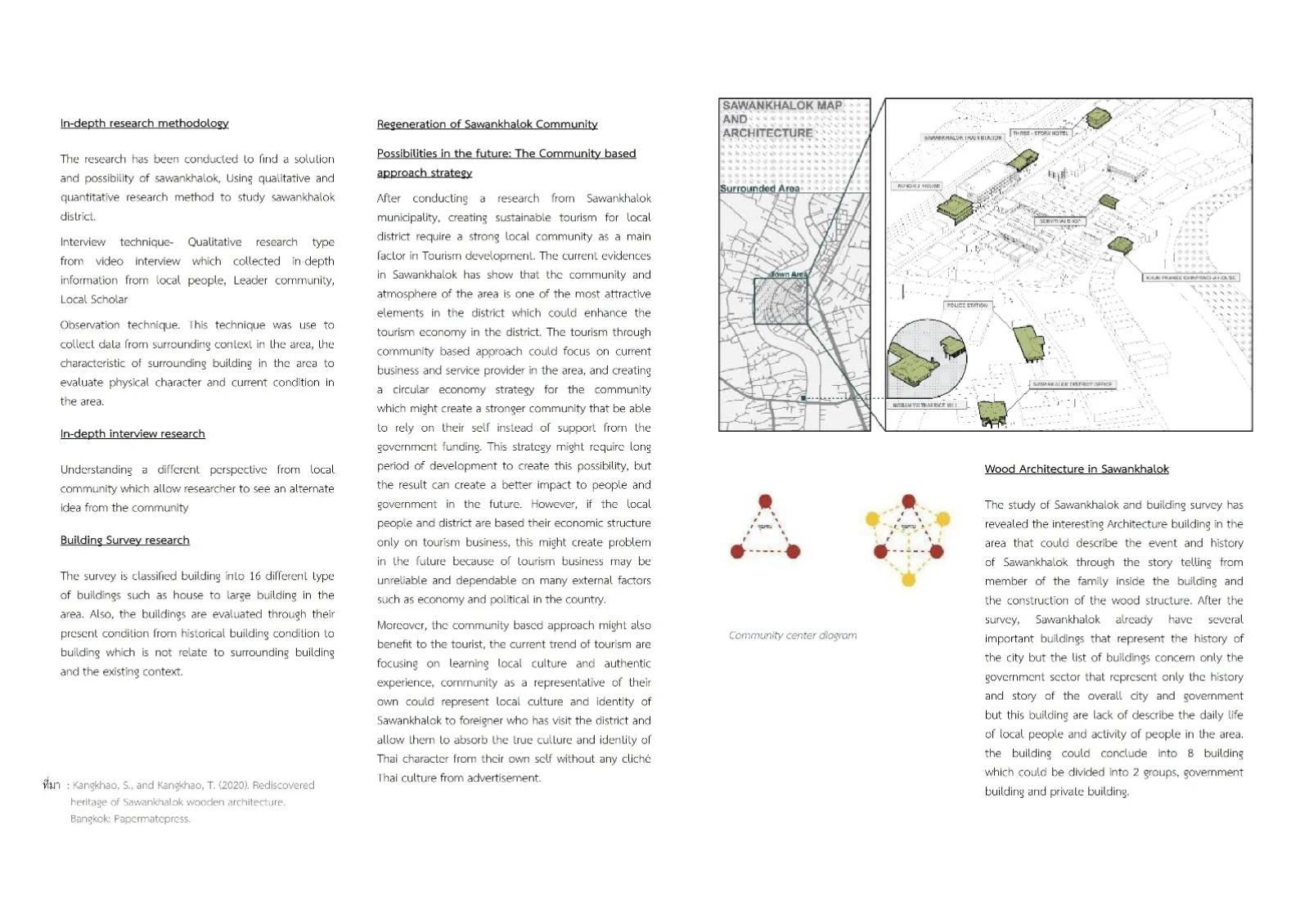
The Swan Sedz Space project applies a community-based tourism approach to ensure that tourism development benefits local residents directly and fosters a circular economy within the region.
Architectural Highlights & Local Landmarks
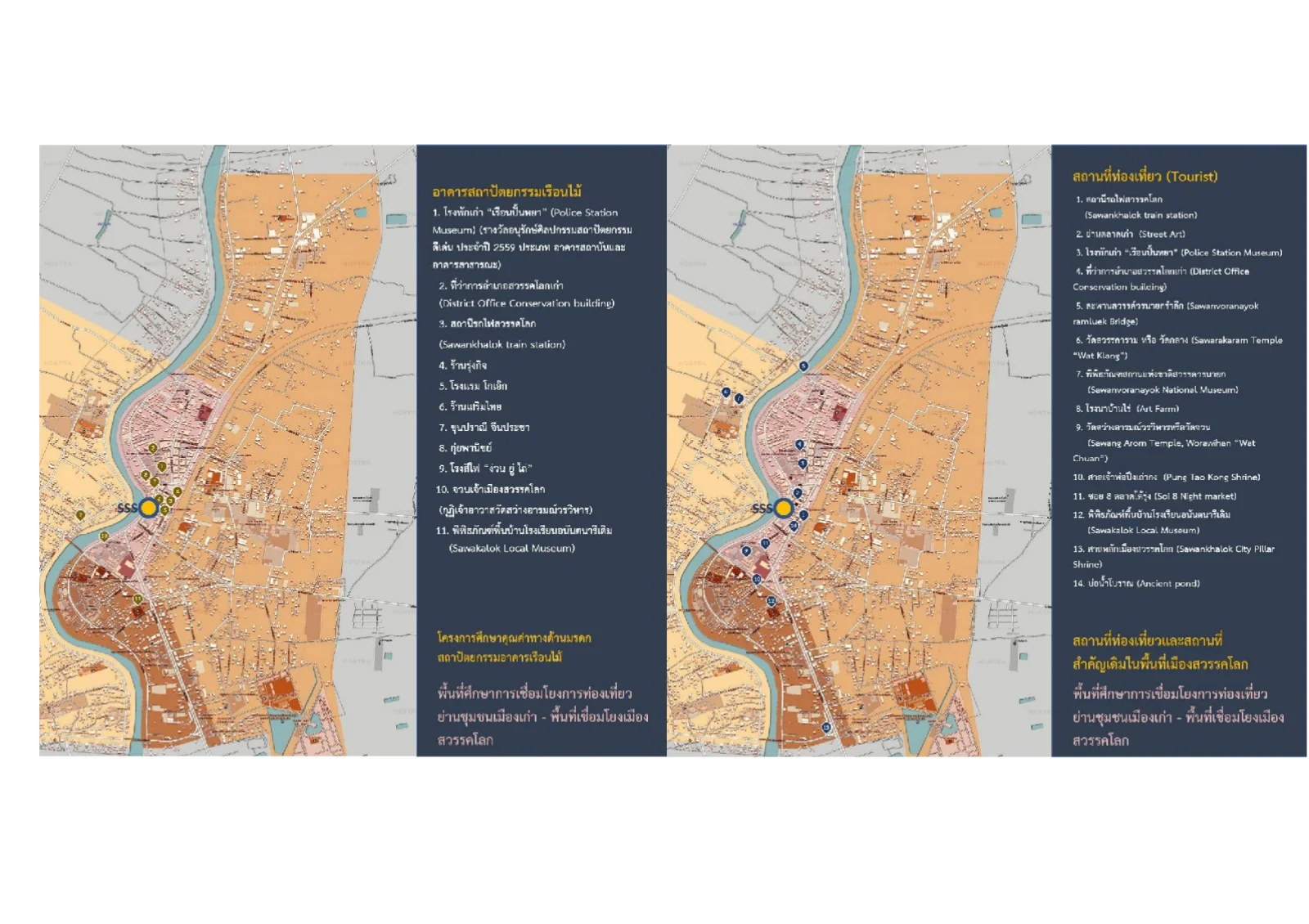
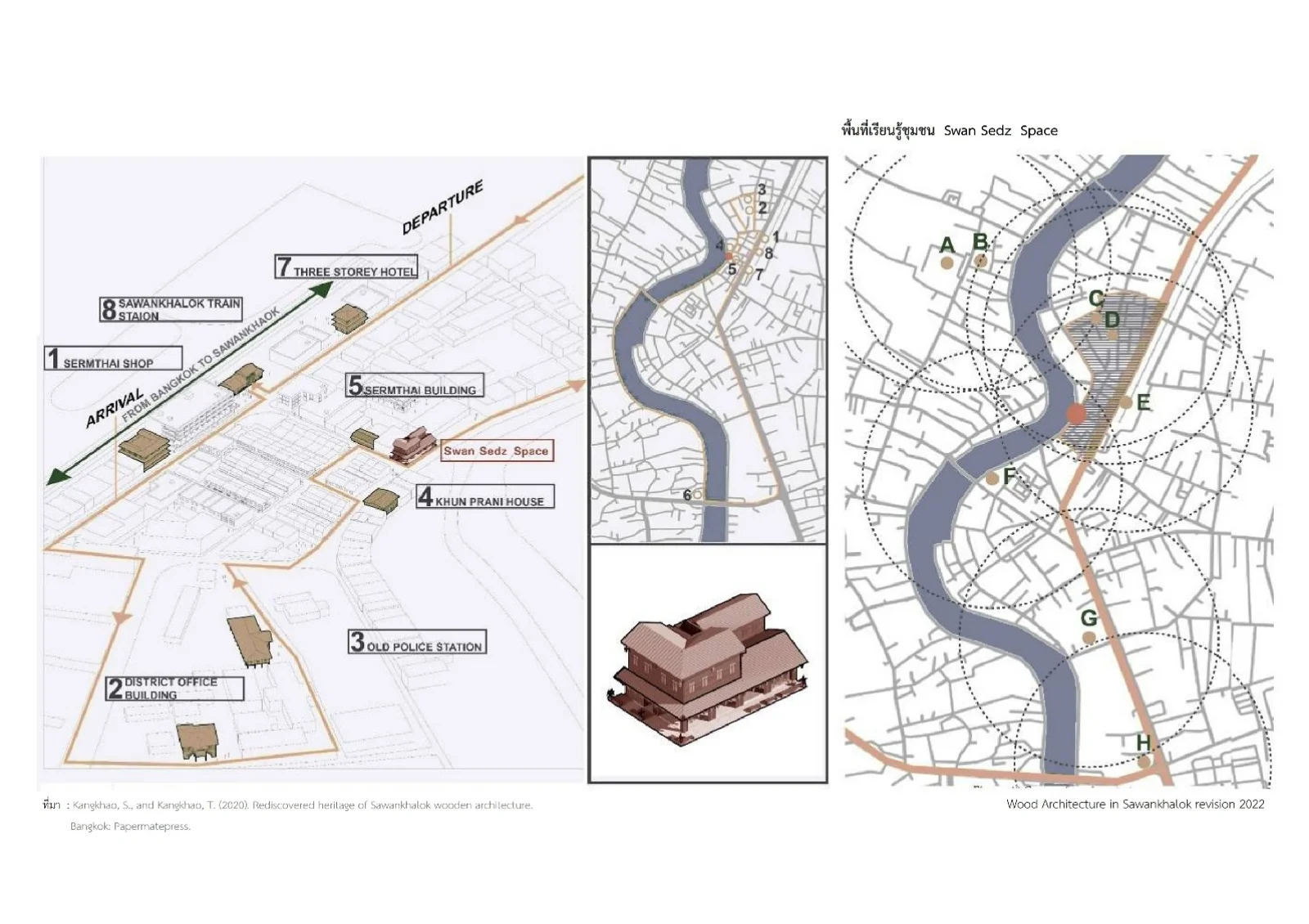
Old Police Station (“Panya” House)
The historic police station in Sawankhalok is a traditional wooden building with notable architectural conservation value. It has been preserved and repurposed as a local museum and community space. The building was recognized by the Architectural Conservation Award from the Association of Siamese Architects for its historical significance and preservation efforts.
Bangkok Post
+1
Sawankhalok Train Station
Sawankhalok Railway Station, established in 1910, is part of the Sawankhalok Line connecting to the main Northern Line of Thailand’s railway network. The station is an enduring reminder of the city’s historical role in regional transport and commerce.
วิกิพีเดีย
+1
Old Market & Street Art
Adjacent to the railway area and historic buildings, the old market and street art zone showcase a vibrant fusion of traditional commerce and contemporary cultural expression. These street artworks reflect local lifestyles and community narratives.
us.trip.com
Traditional Wooden Houses
The city’s traditional wooden architecture — including former residences, wooden shops, and historic inns — narrates cultural influences shaped over generations of trade, migration, and local craftsmanship.
The Design of Swan Sedz Space
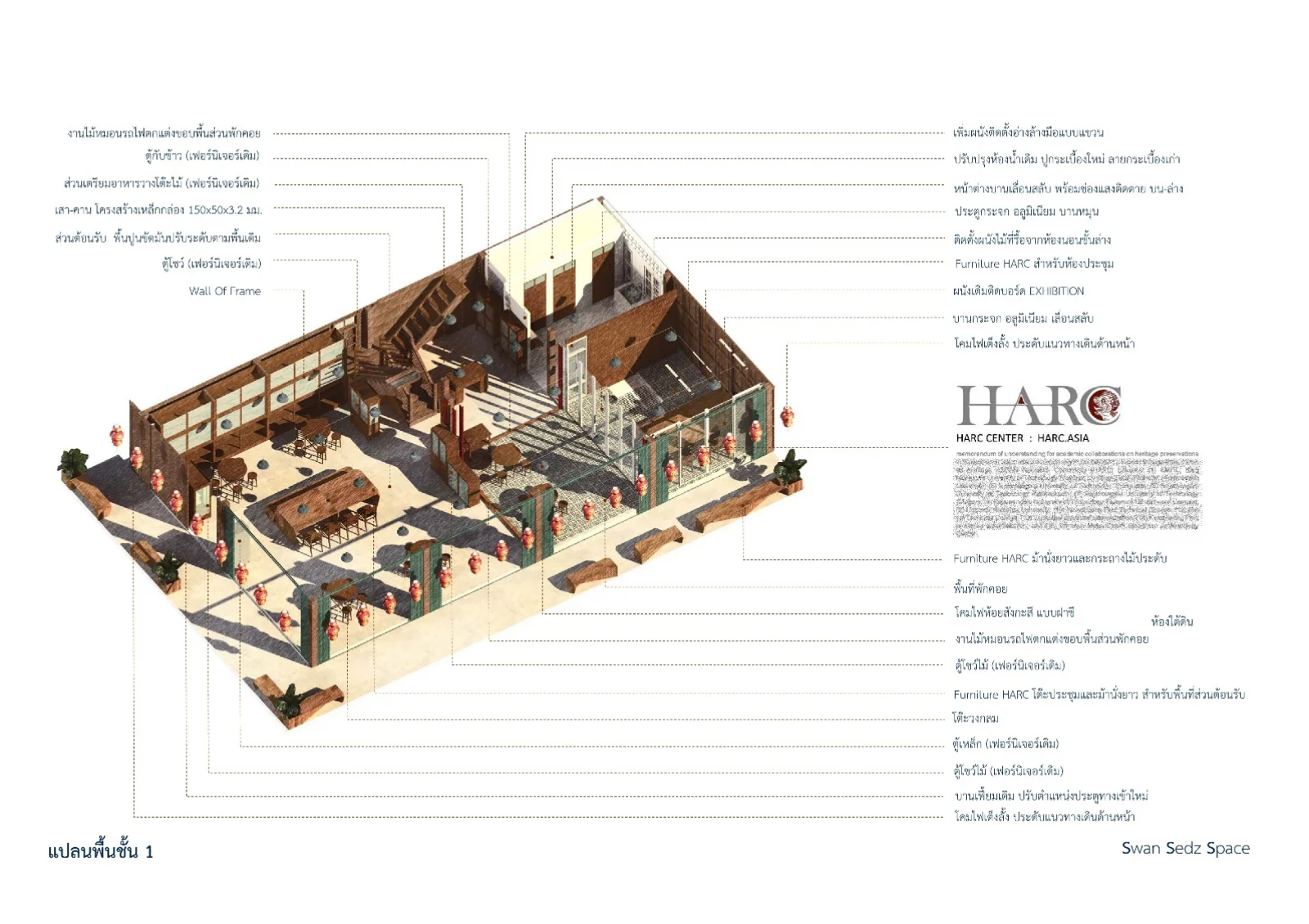
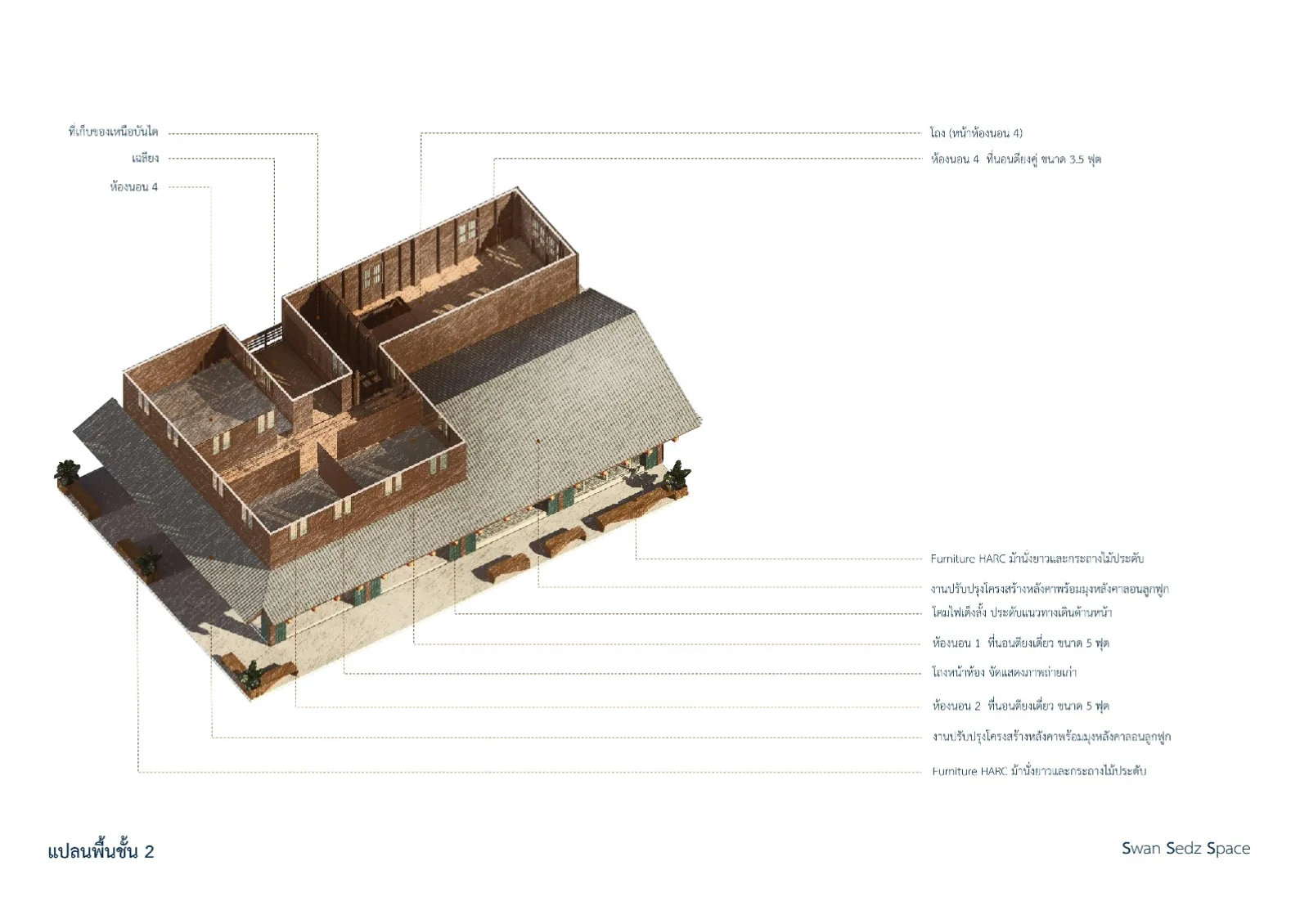
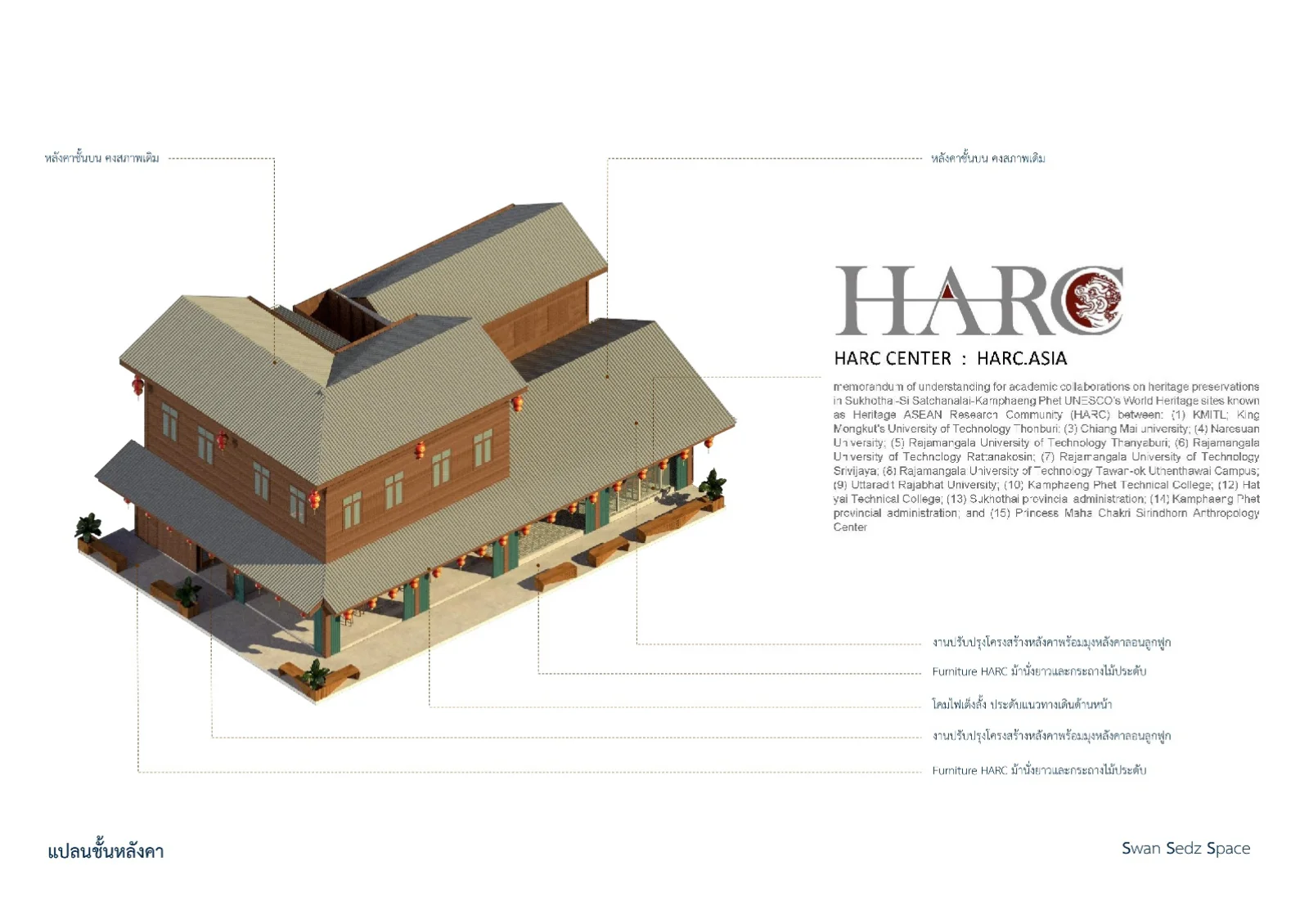
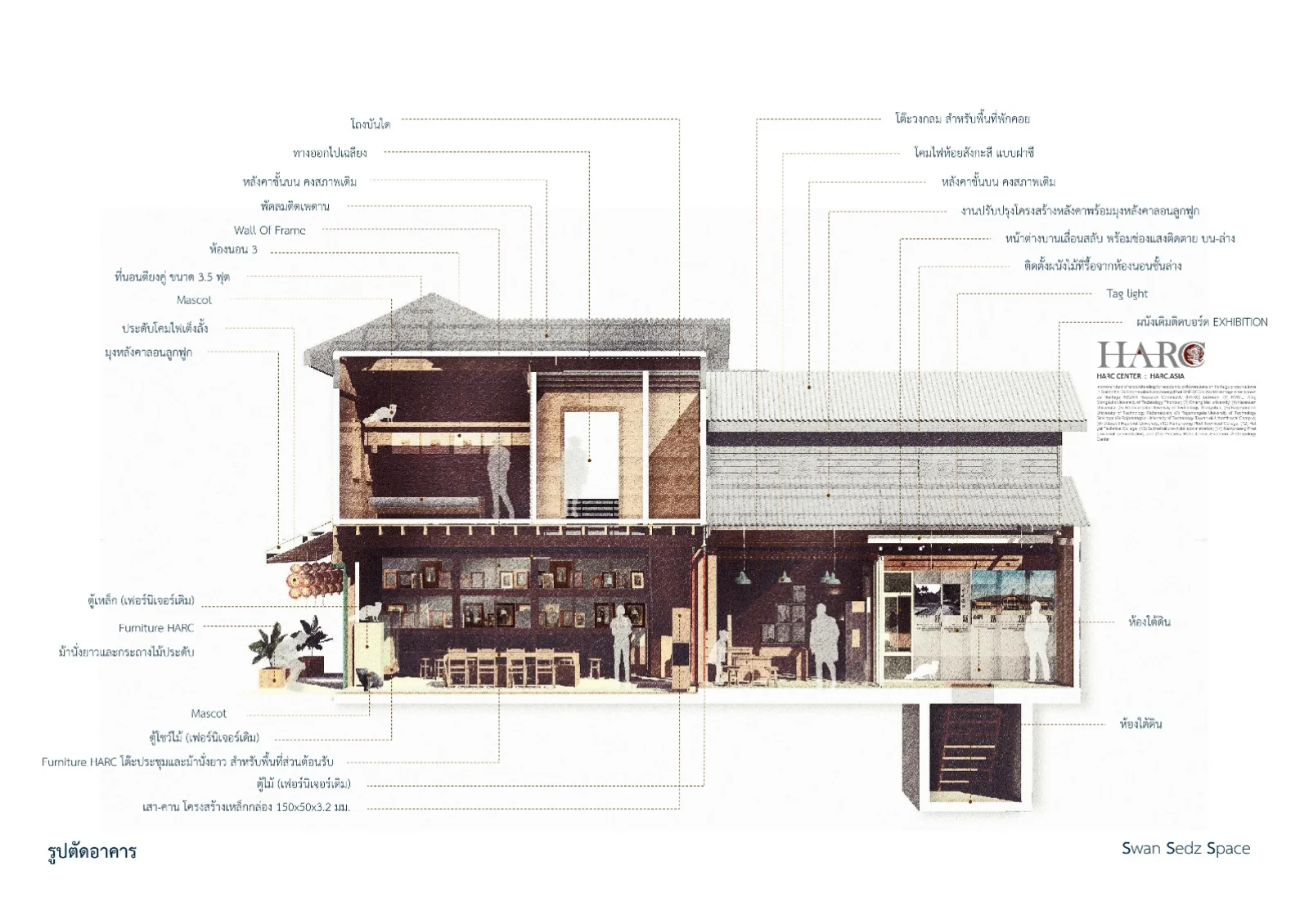
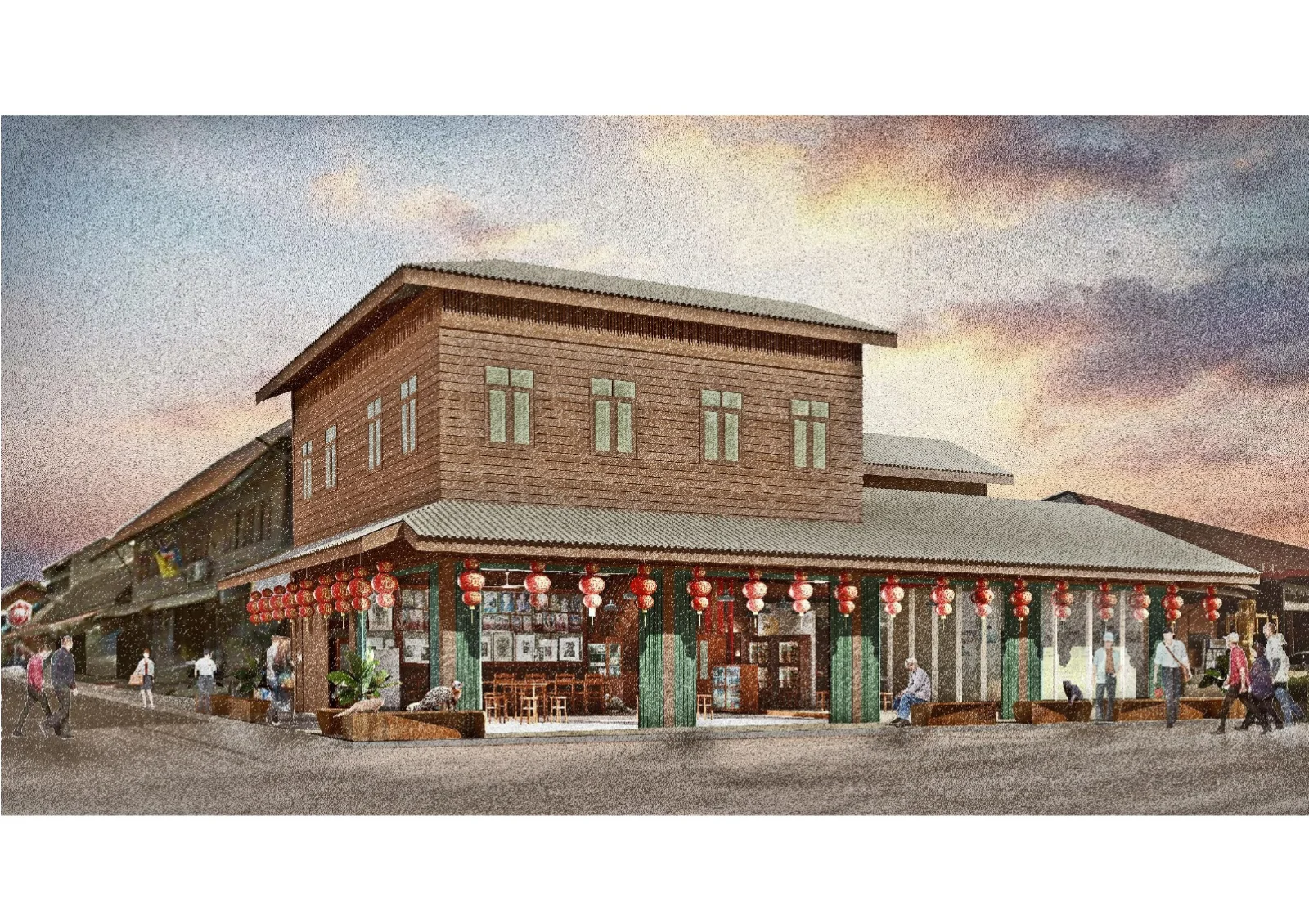
The renovated SSS building has been thoughtfully designed to preserve architectural heritage while serving modern community functions:
1st Floor:
A welcoming reception space with exhibition boards and a Wall of Frame that juxtaposes original vintage furniture with contemporary steel structures.
2nd Floor:
Exhibition halls displaying archival photographs and guest rooms that offer immersive experiences reflecting local lifestyles and hospitality traditions.
Authentic Touches:
Interior elements include traditional Chinese lanterns (Teng Lung) and repurposed railway sleepers to honor the district’s Chinese-Thai heritage and its ties to the railway era.
Conclusion
Swan Sedz Space stands as a living prototype of sustainable urban regeneration. By harmonizing heritage conservation with modern functionality, the project creates a dynamic space that enables the community to learn, preserve cultural identity, and build economic resilience for the future.
The SSS model demonstrates that conservation and modernization can coexist, supporting authentic, community-centered development that honors the past while inspiring sustainable progress.