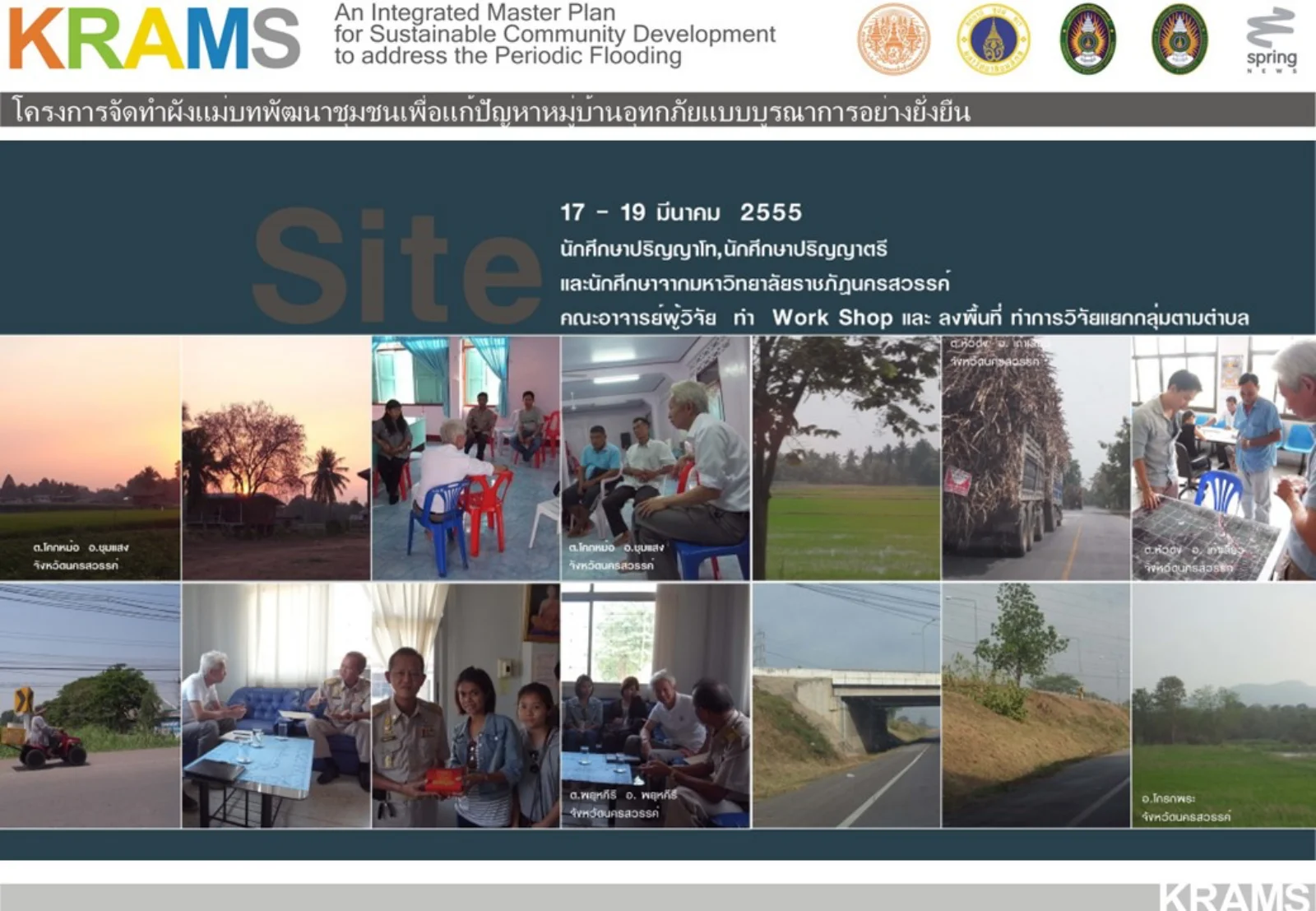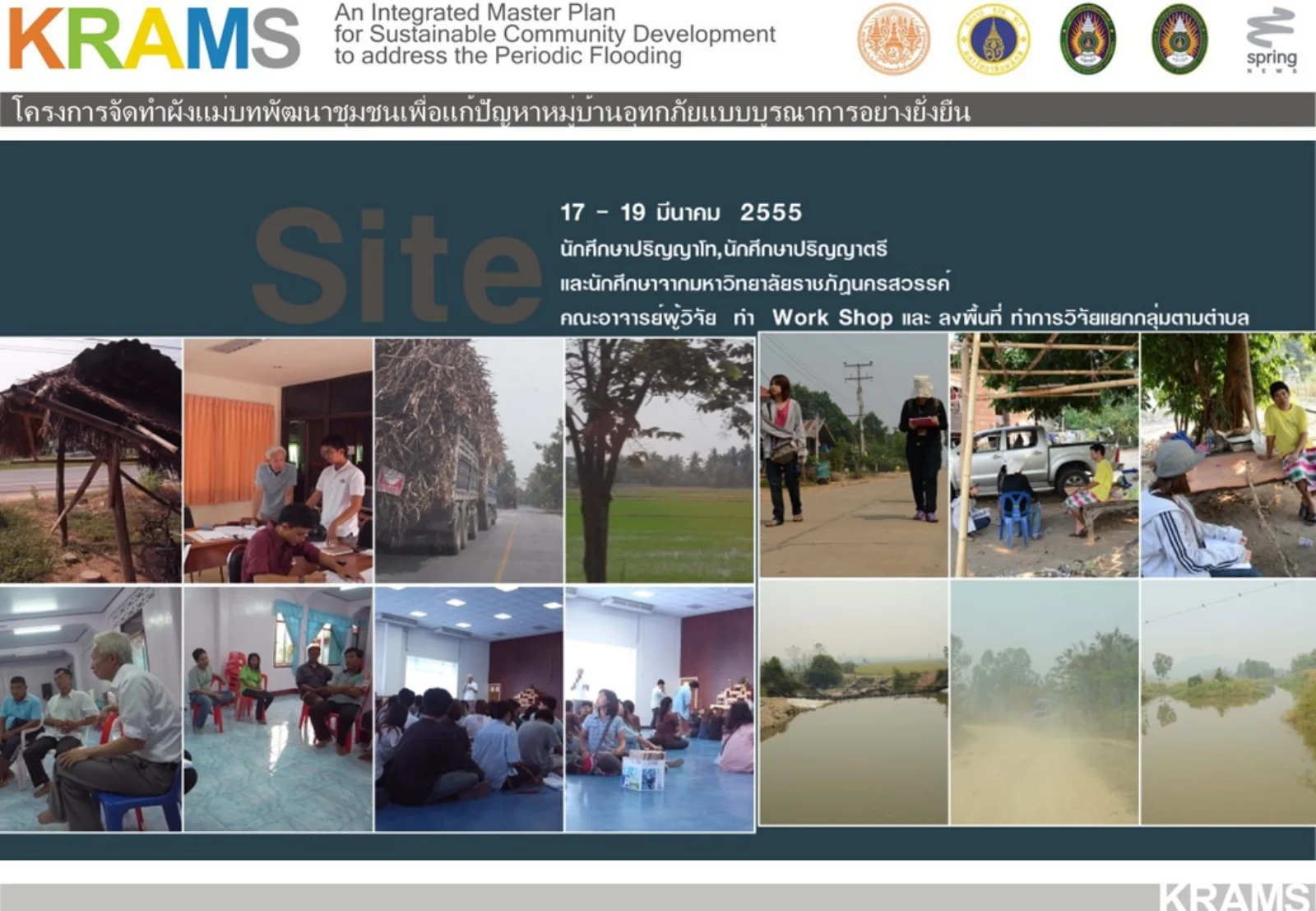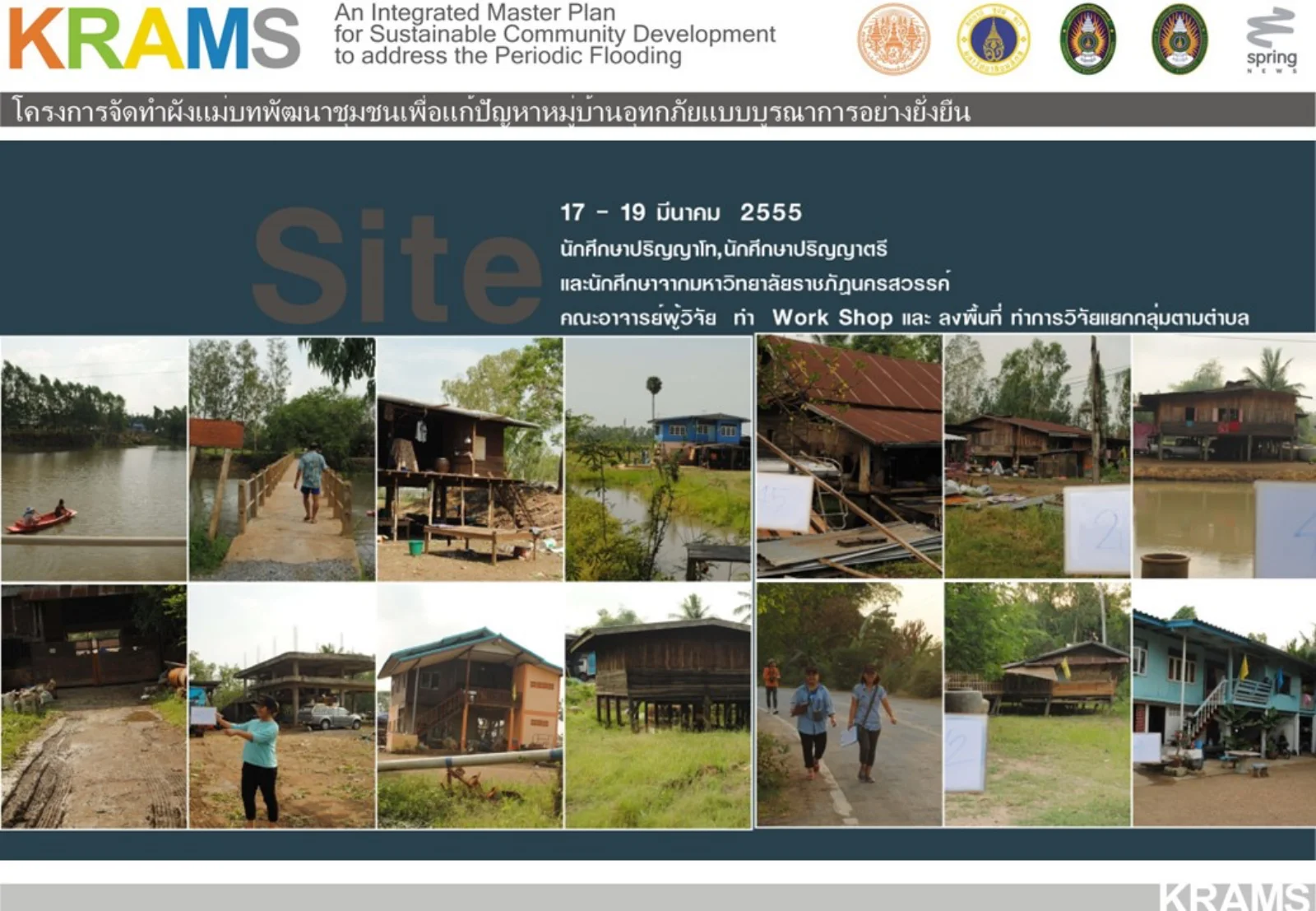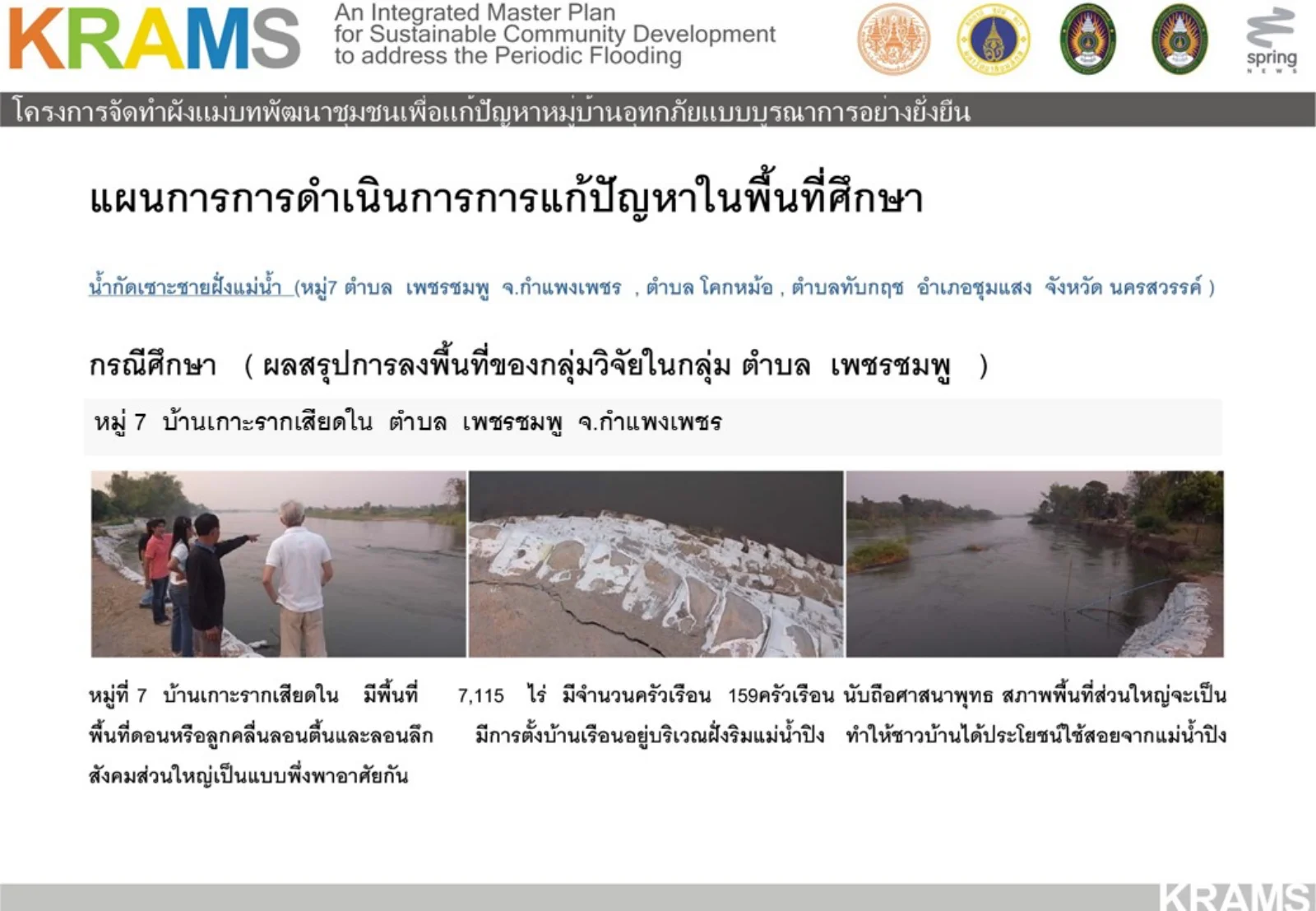

KRAMS PROJECT
Category : UrbanDevelopment
Published Date : 2025-12-20 10:59:08
KRAMS PROJECT
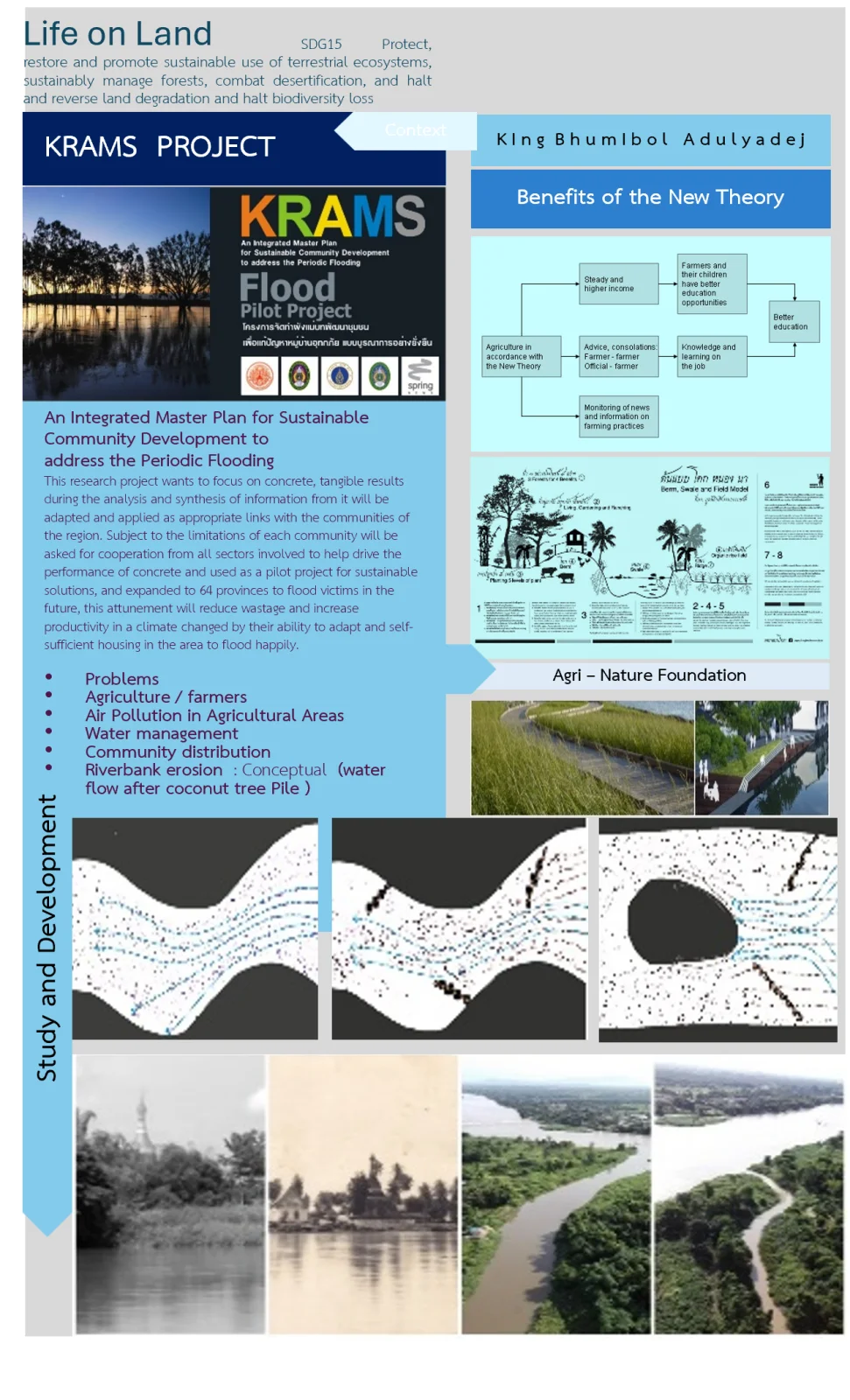
KRAMS: An Integrated Master Plan for Sustainable Community Development
Project Overview
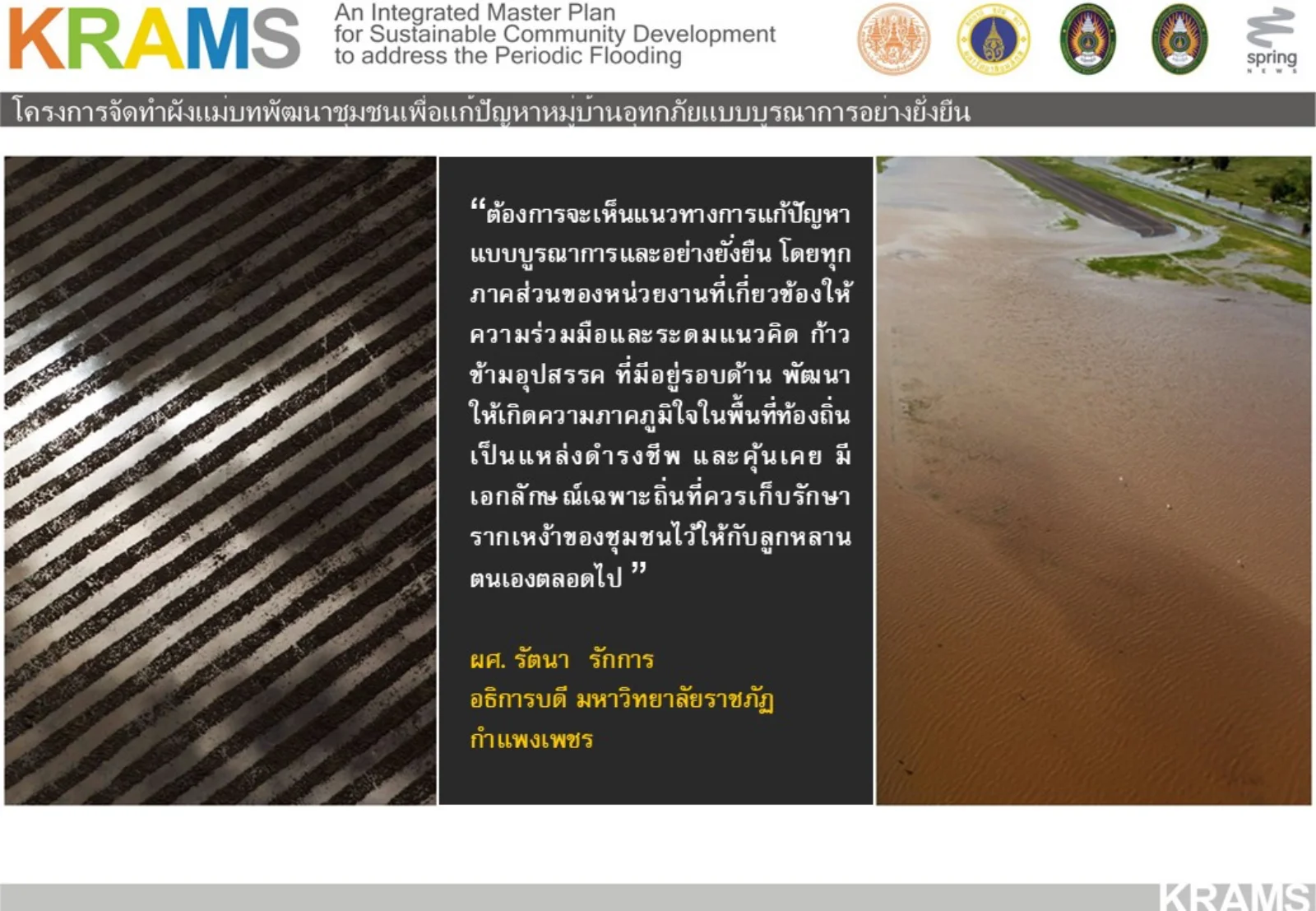
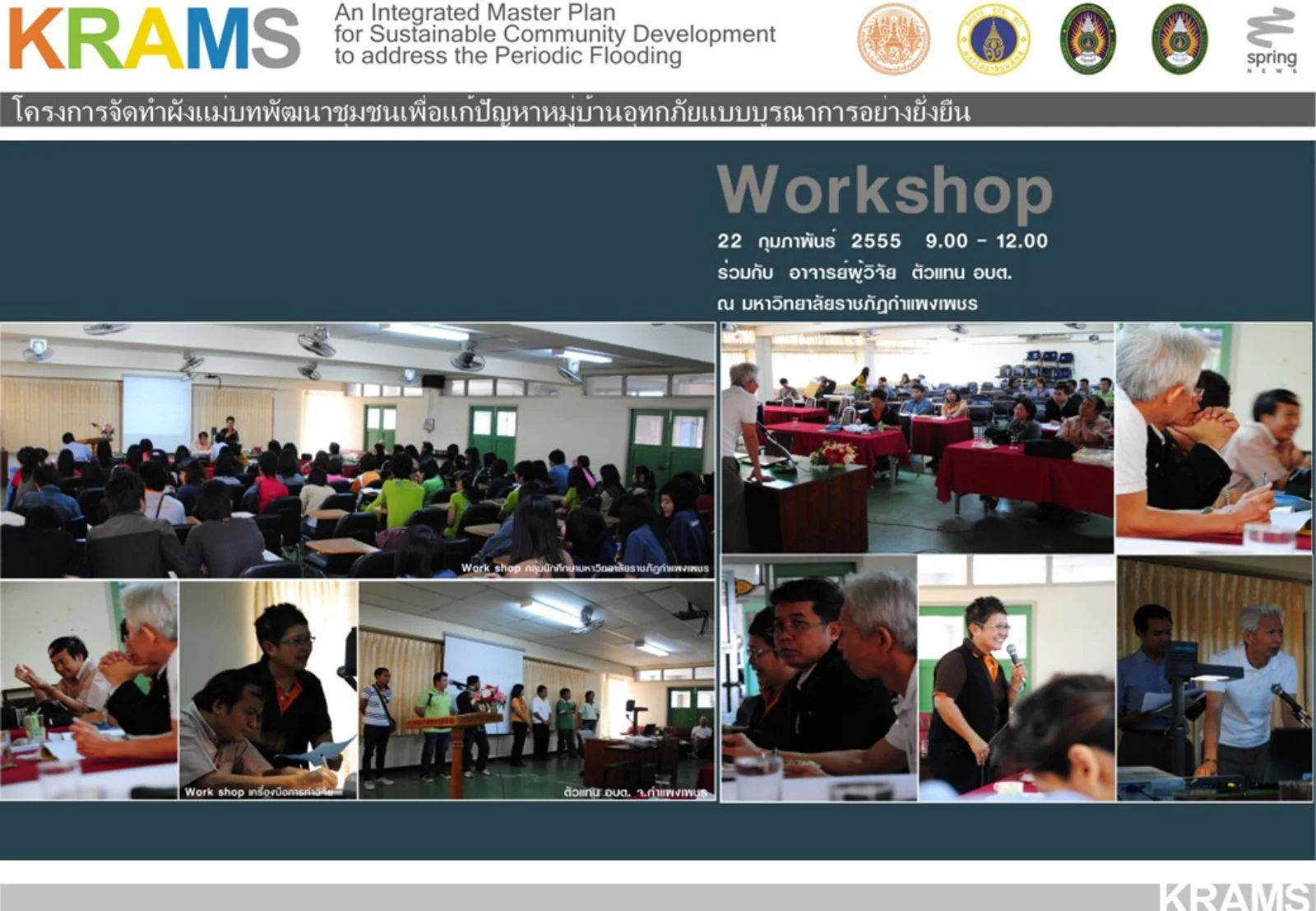
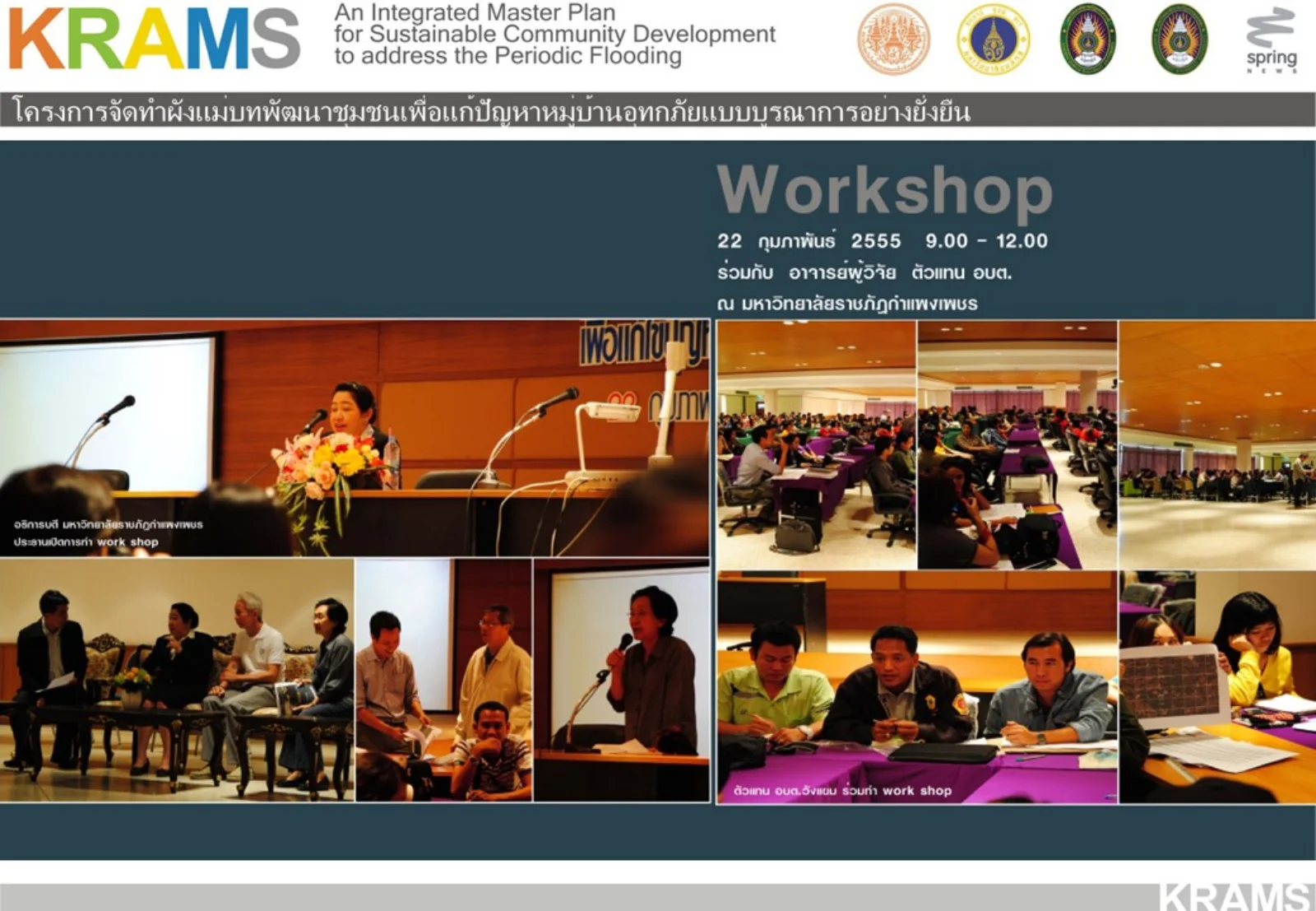
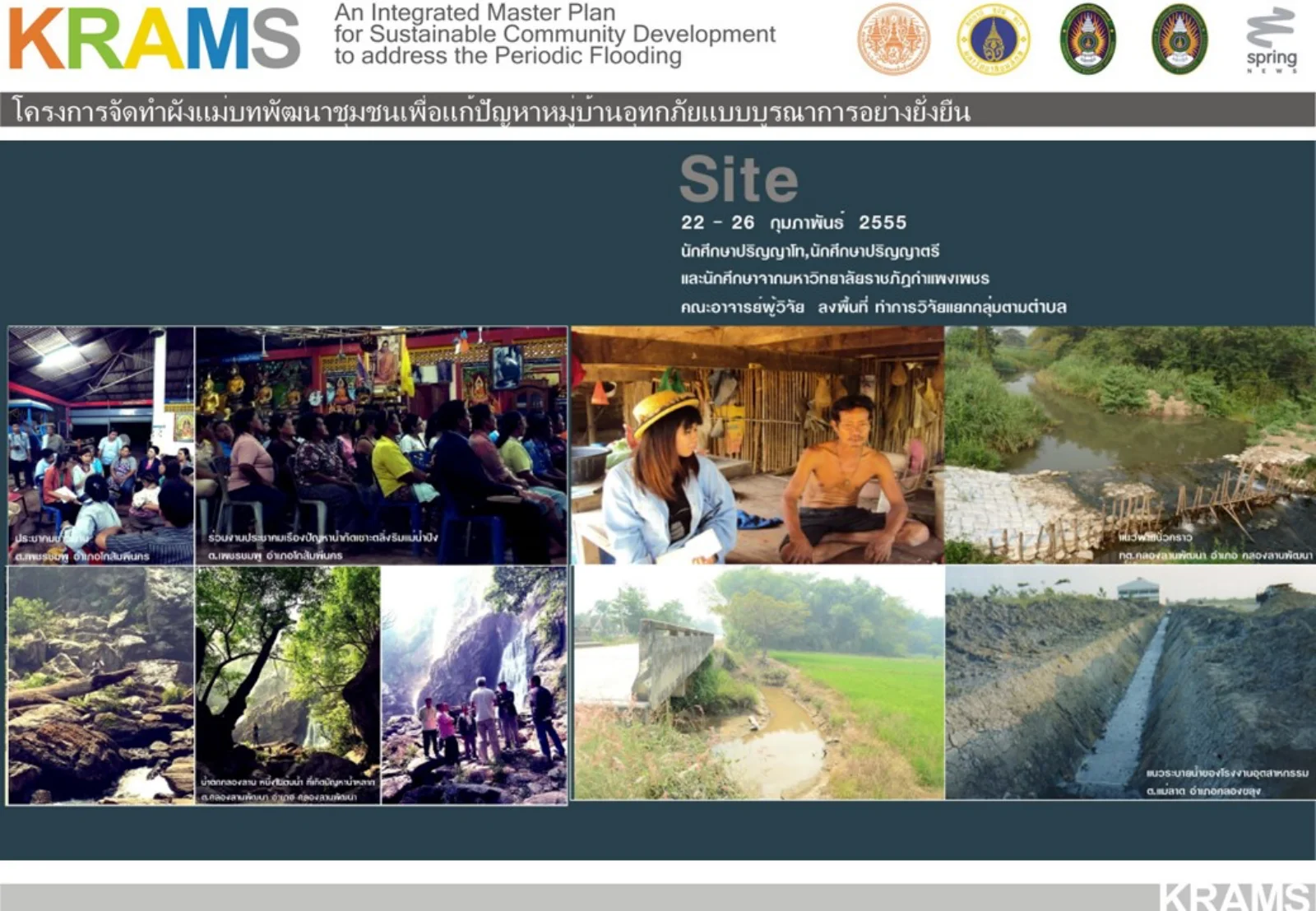
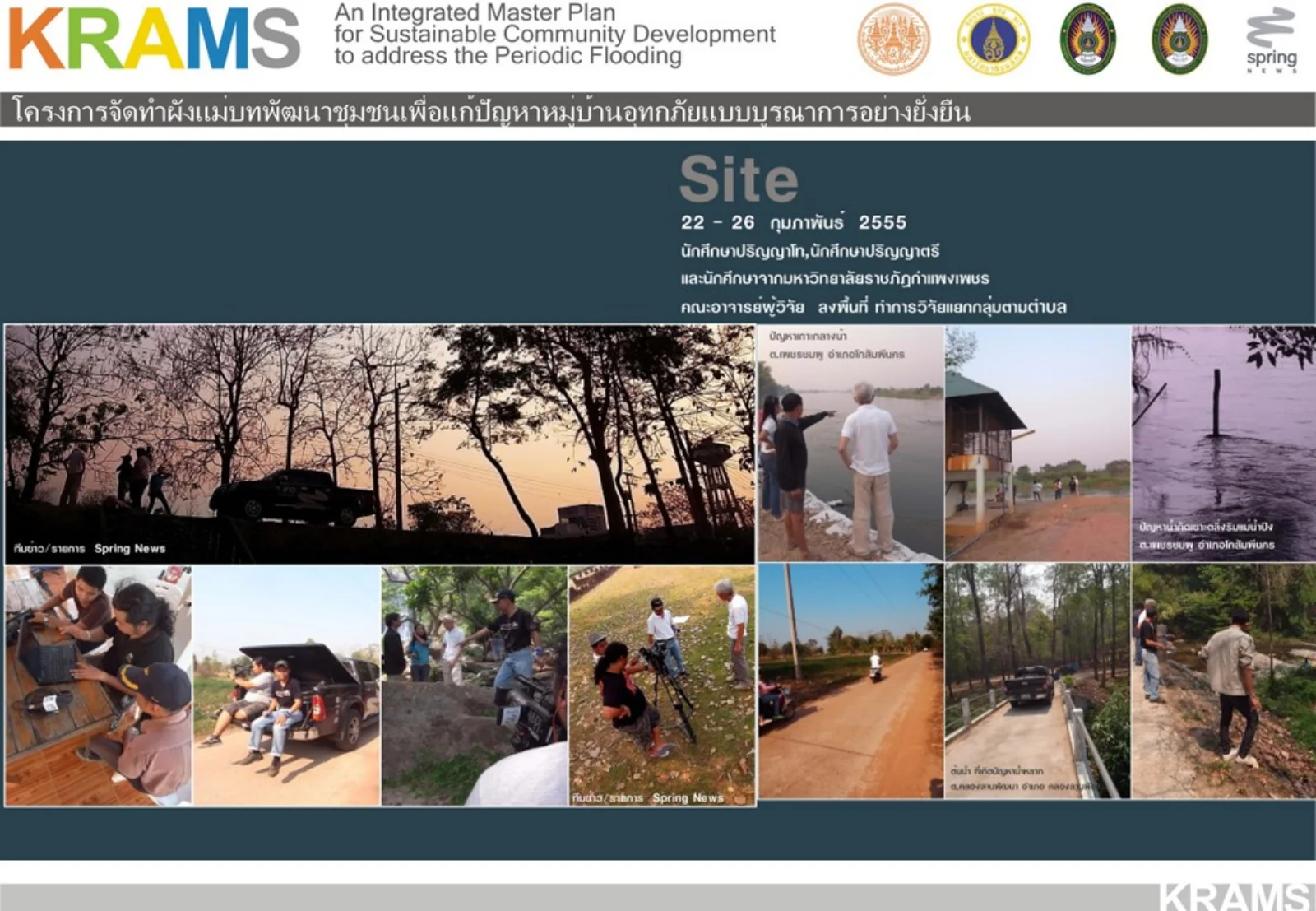
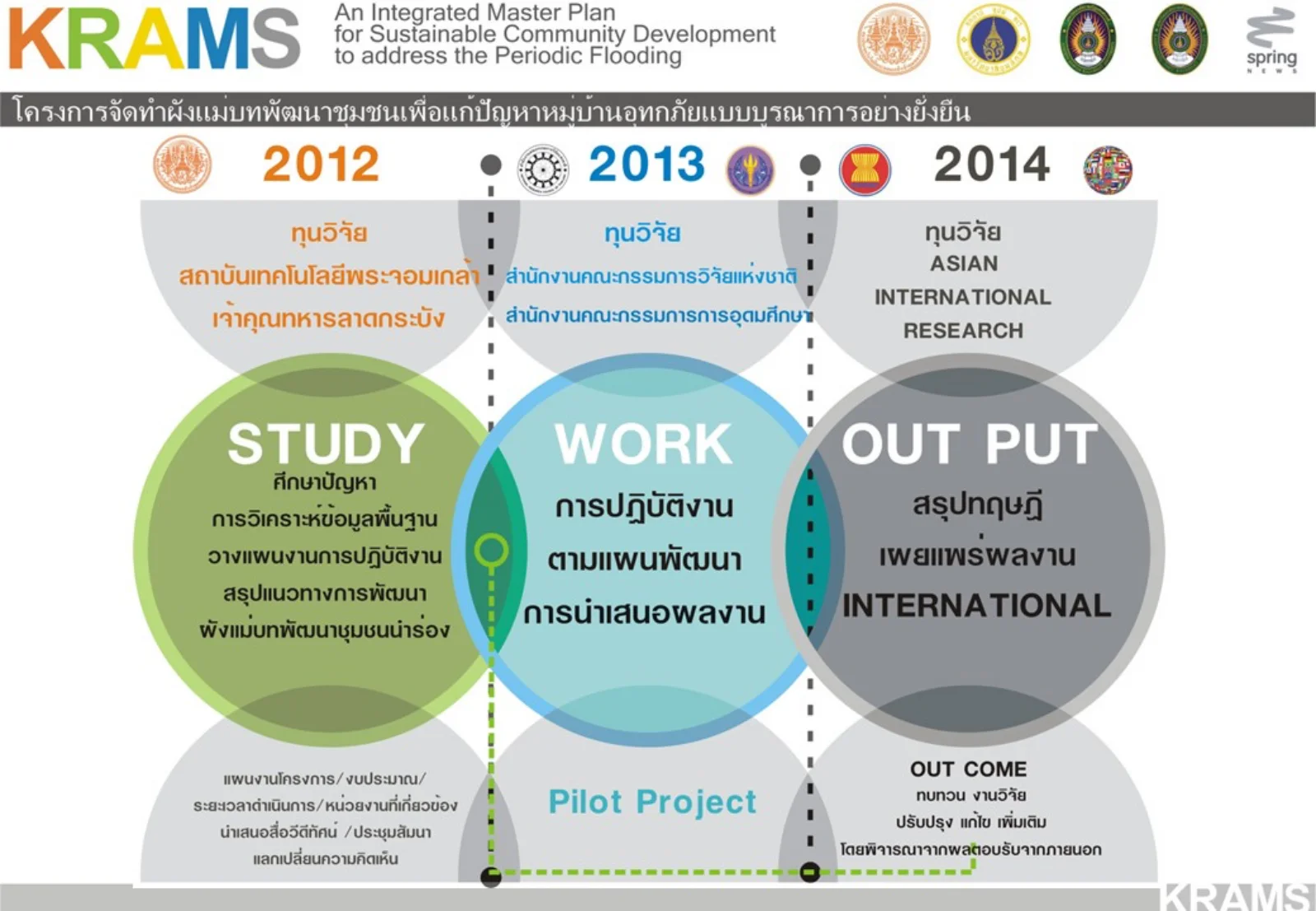
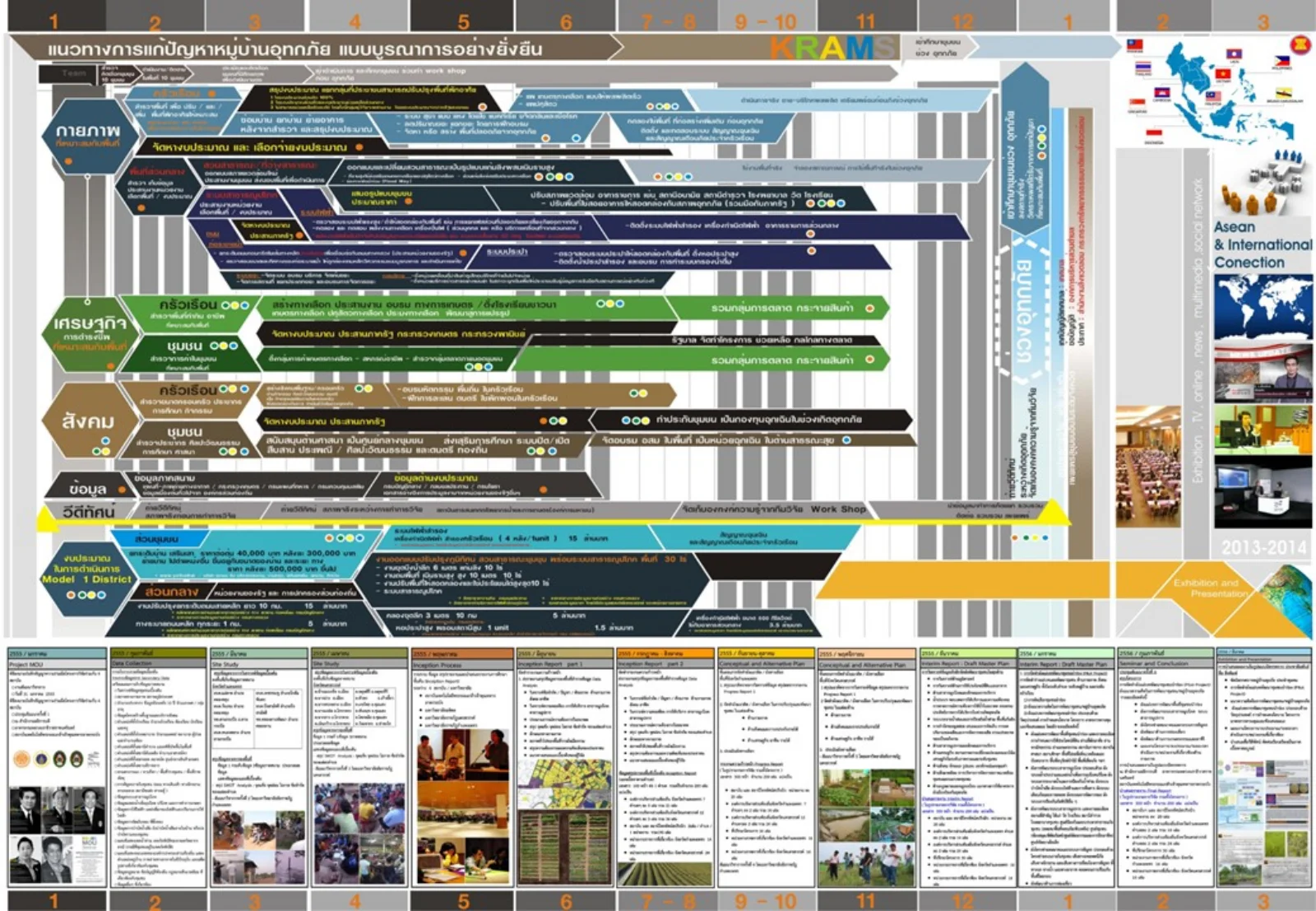
KRAMS is an integrated master planning initiative designed to strengthen community resilience and address the recurring impacts of periodic flooding in Thailand. The project focuses on sustainable solutions that connect spatial planning, infrastructure, agriculture, social systems, and local governance to improve long-term quality of life in flood-prone communities.
Thai Project Title
โครงการจัดทำผังแม่บทพัฒนาชุมชนเพื่อแก้ปัญหาหมู่บ้านอุทกภัยแบบบูรณาการอย่างยั่งยืน
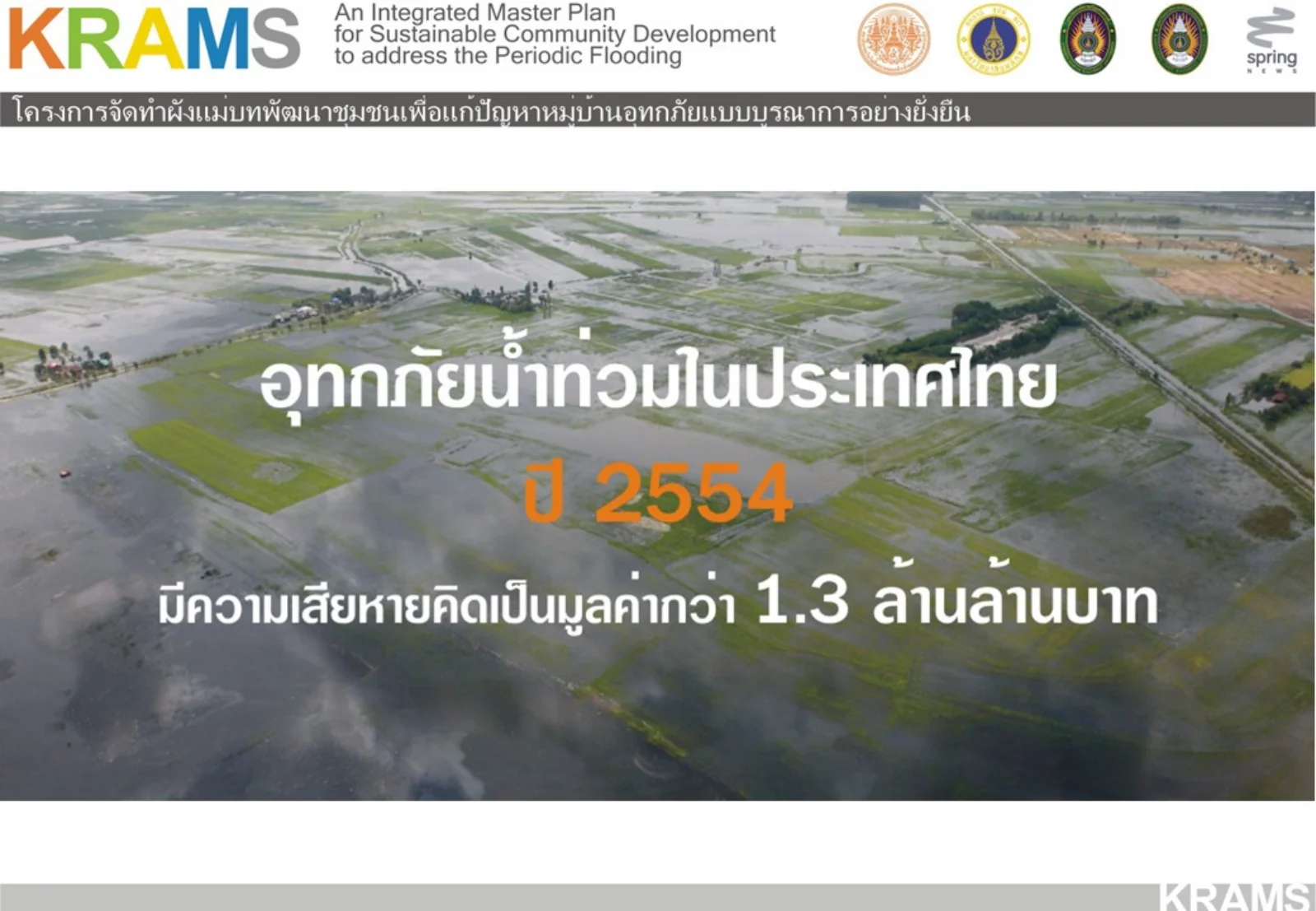
Background: Flood Impacts in Thailand (2011)
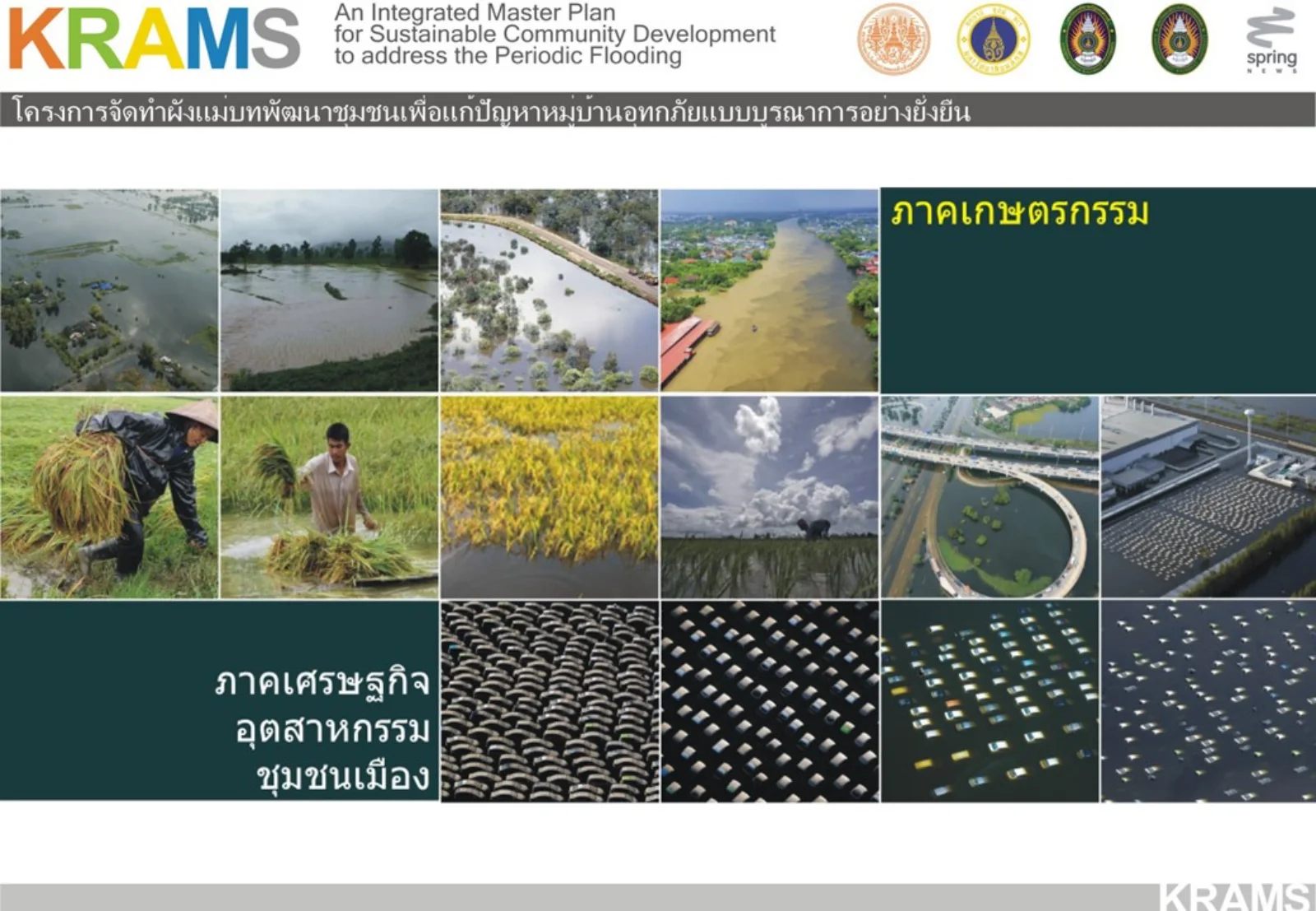
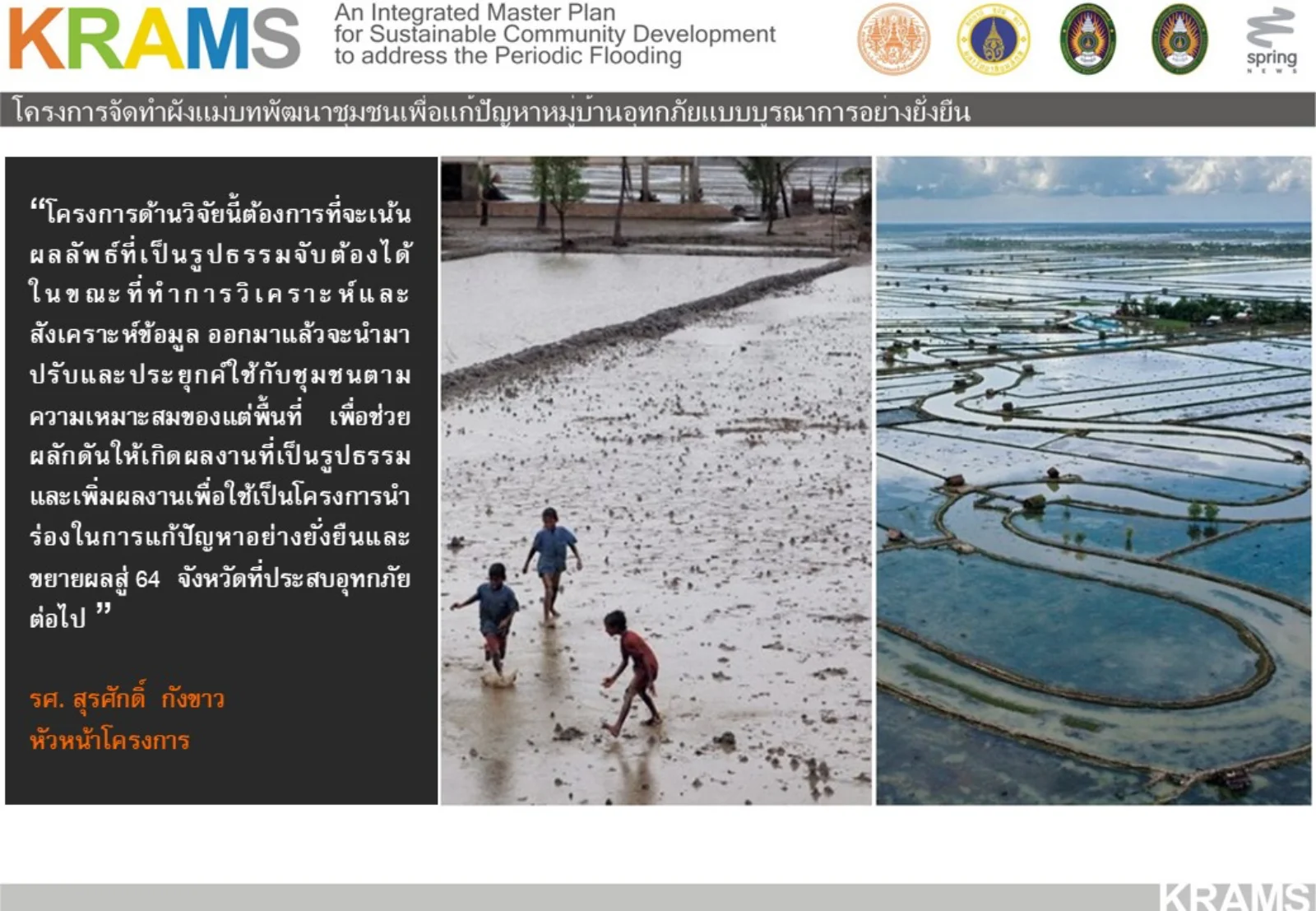
The 2011 Thailand Flood revealed critical structural weaknesses across agricultural, economic, and urban systems, becoming one of the most severe natural disasters in the country’s history.
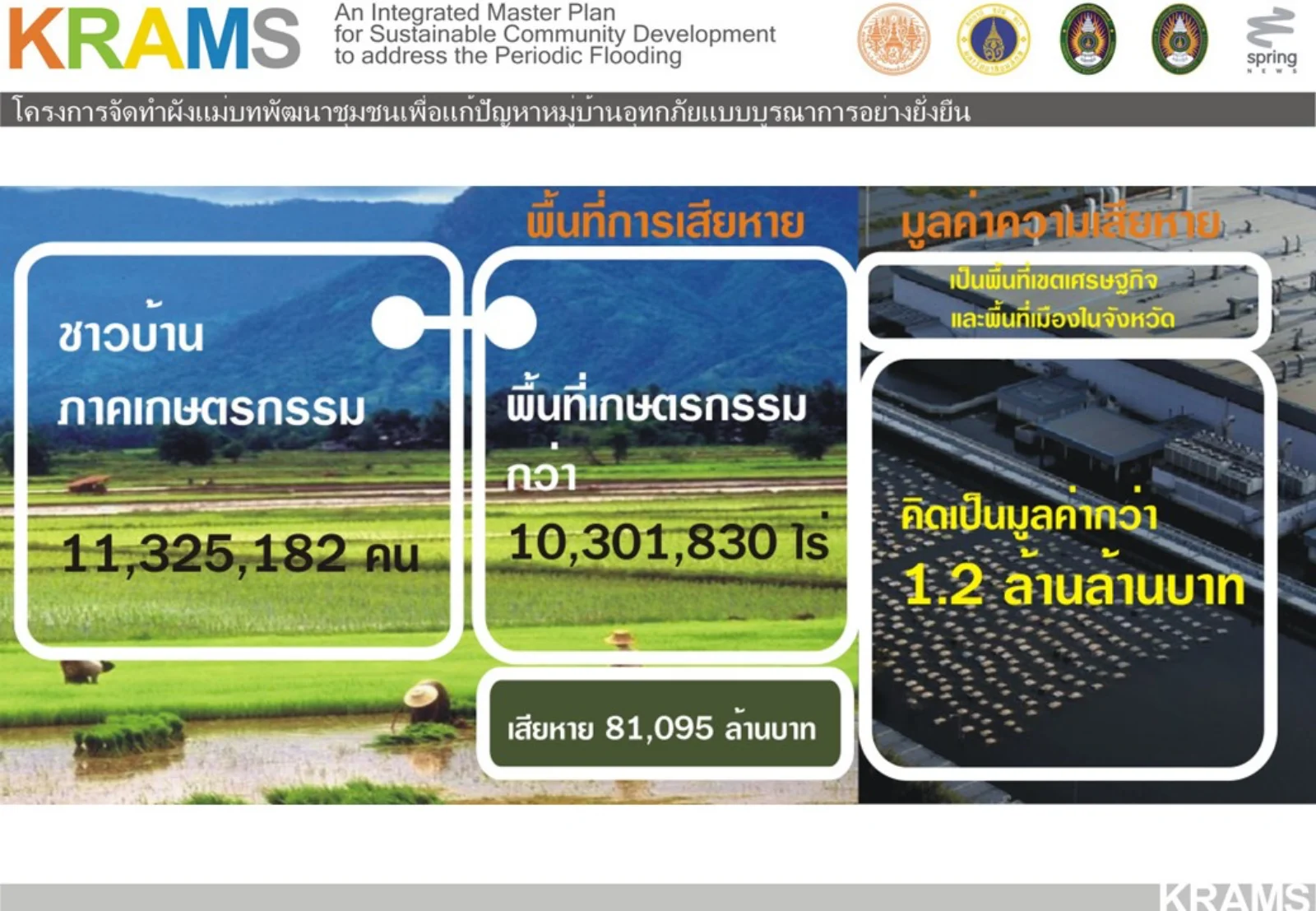
- Total Estimated Damage: Over 1.3 trillion Baht
- Agricultural Sector:
- Affected population: 11,325,182 people
- Damaged agricultural area: more than 10,301,830 rai (approximately 4 million acres)
- Financial loss: 81,095 million Baht
- Economic, Industrial, and Urban Sectors:
- Damage value exceeded 1.2 trillion Baht
These figures highlight the urgent need for integrated, long-term planning approaches rather than short-term disaster response.
Problems and Challenges
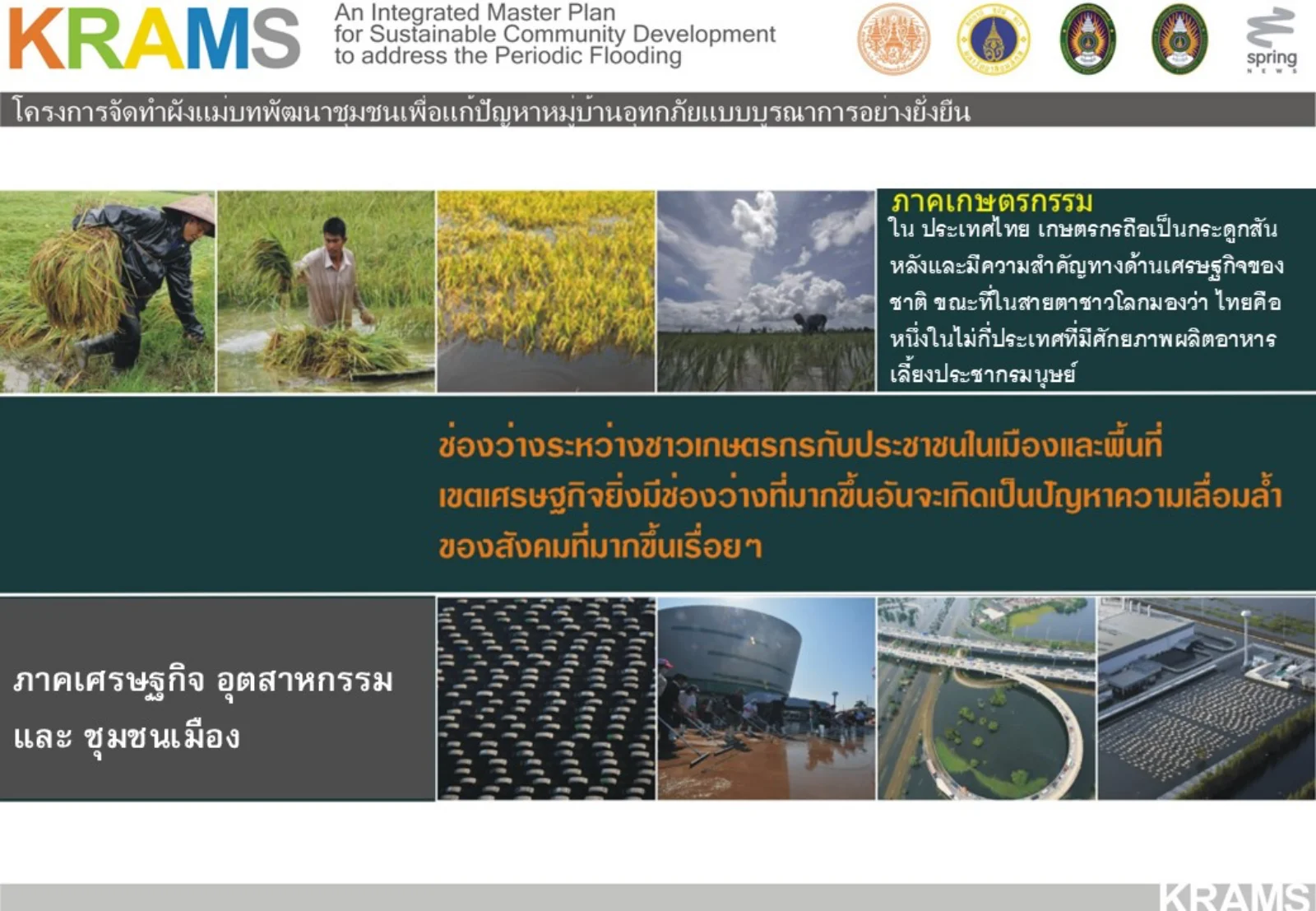
Agriculture as the National Foundation
Farmers remain the backbone of Thailand’s economy and food security. Globally, Thailand is recognized as one of the few countries with strong potential to contribute to world food supply. However, repeated flooding threatens livelihoods, productivity, and rural stability.
Growing Social Inequality
A widening gap exists between agricultural communities and urban or industrial areas. Unequal access to infrastructure, services, and economic opportunities has intensified social and spatial inequality.
Adaptation to Environmental Change
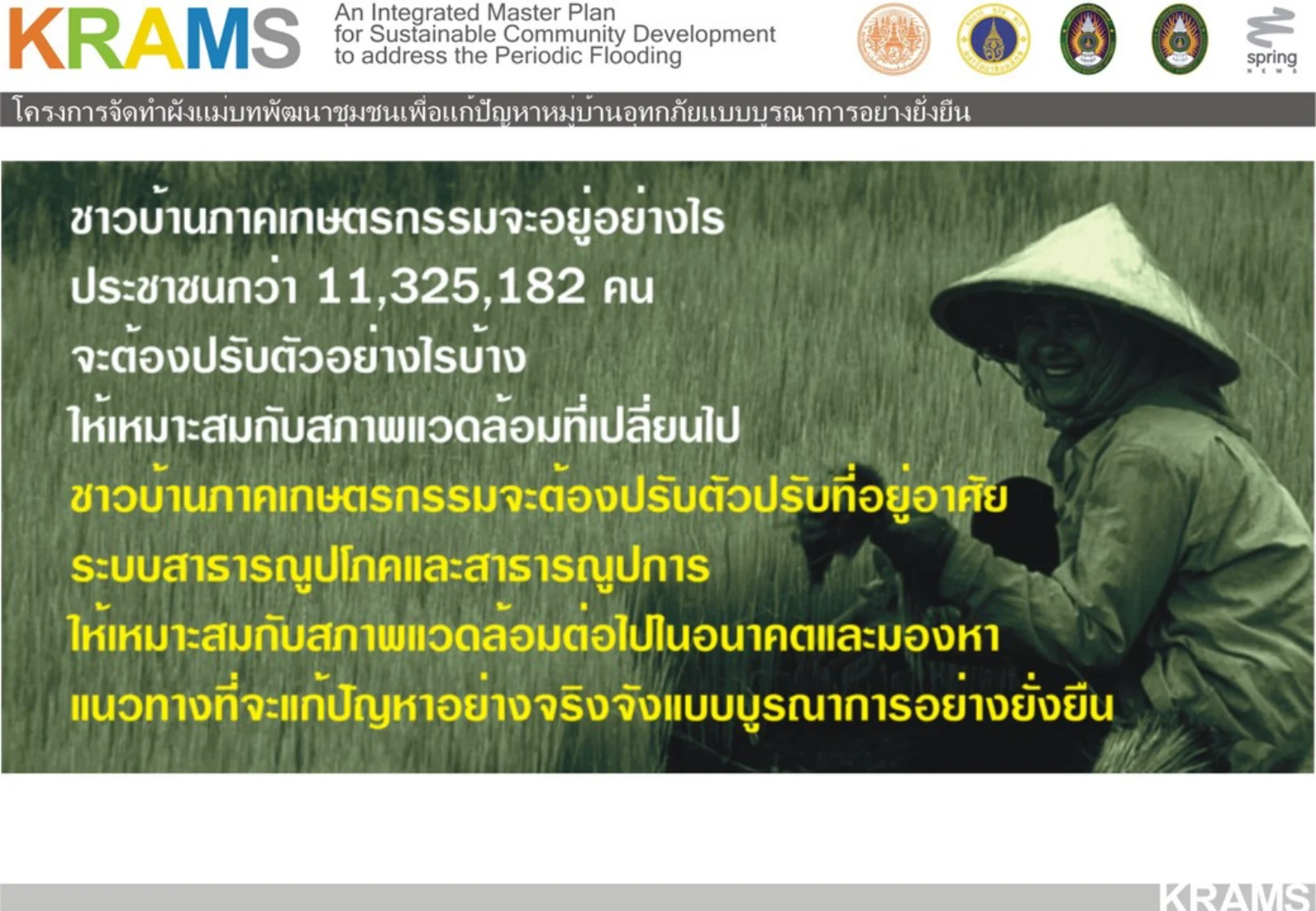
More than 11 million people in the agricultural sector must adapt to changing environmental conditions. Key challenges include:
- Flood-resilient housing and settlement patterns
- Sustainable infrastructure and public services
- Long-term community-based adaptation strategies
Academic Collaboration
KRAMS is built on strong interdisciplinary collaboration among leading academic institutions.
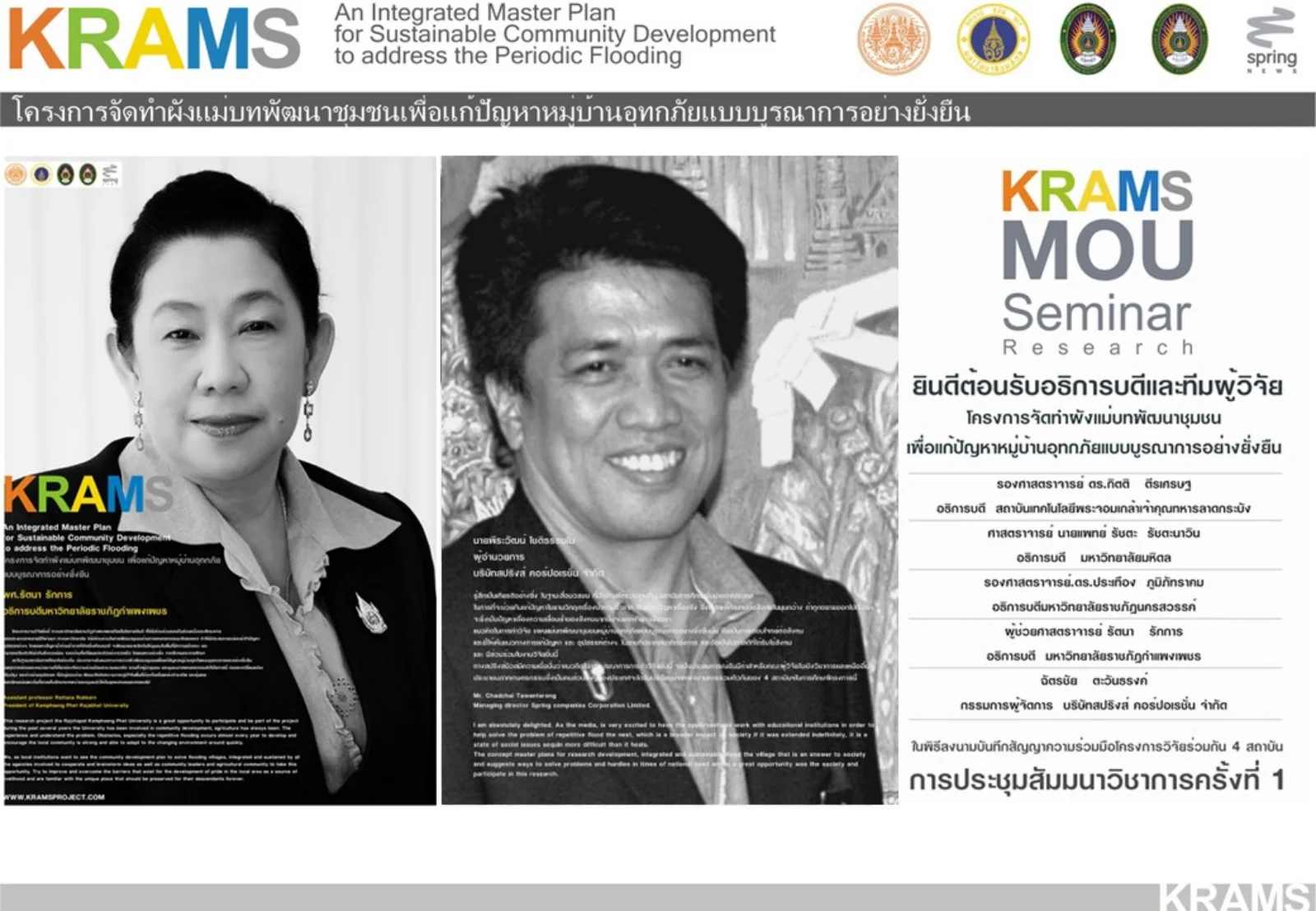
Memorandum of Understanding (MOU)
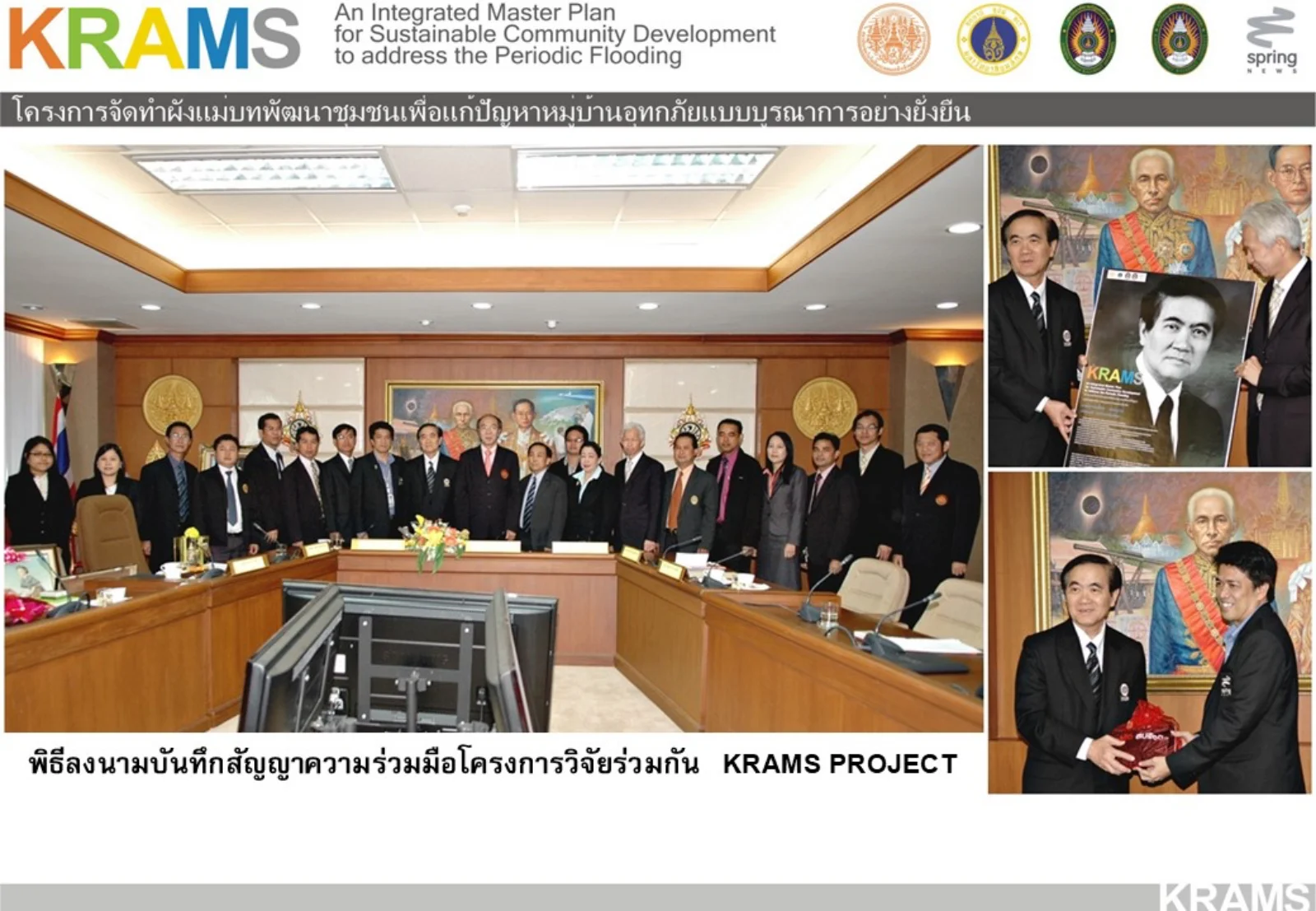
Signed on January 31, 2012, at the Office of the President, Meeting Room 606.
Participating Institutions
- King Mongkut’s Institute of Technology Ladkrabang (KMITL)
- Mahidol University
- Nakhon Sawan Rajabhat University
- Kanchanaburi Rajabhat University
Media Support
Spring News
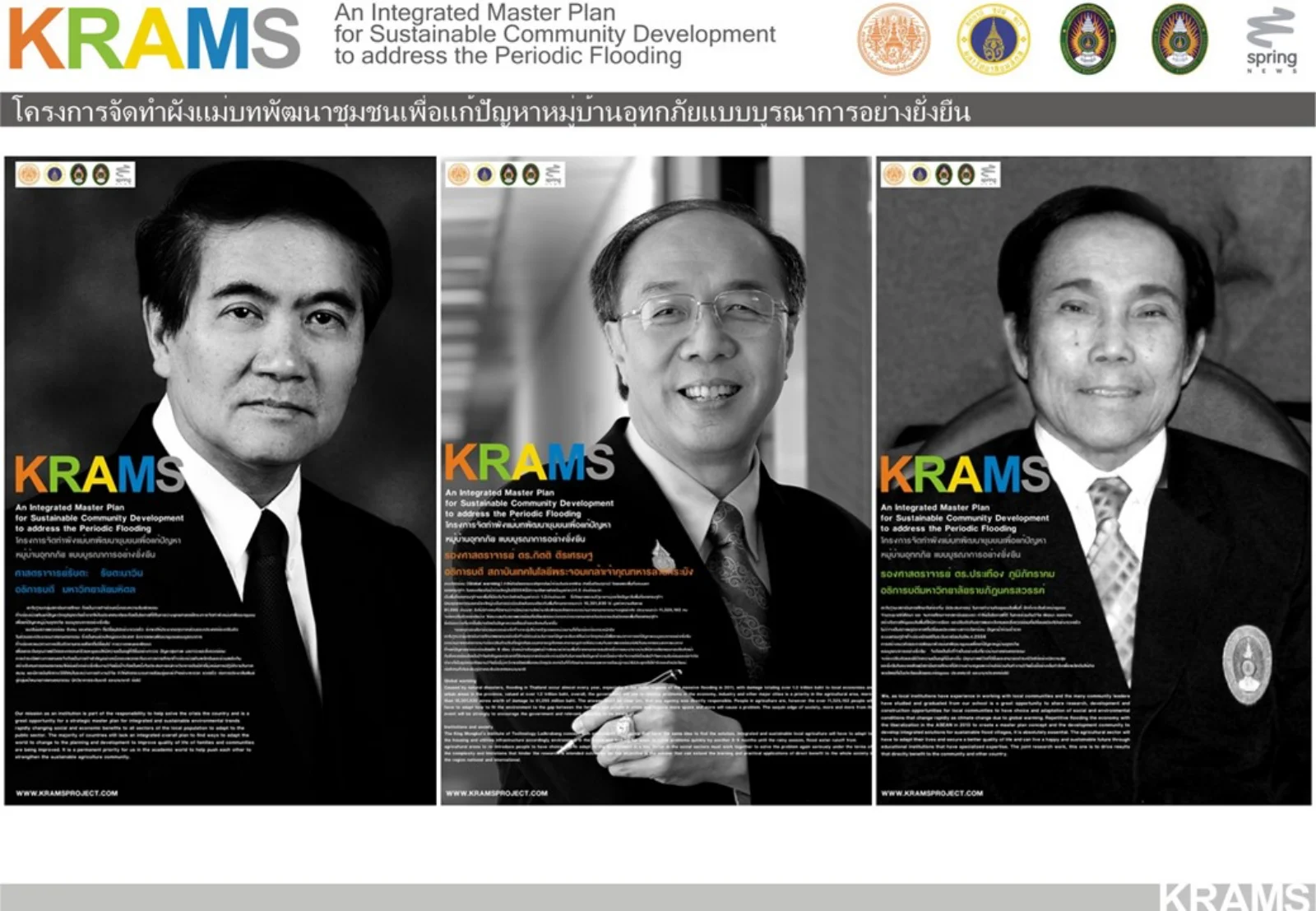
Vision from University Leadership
Mahidol University
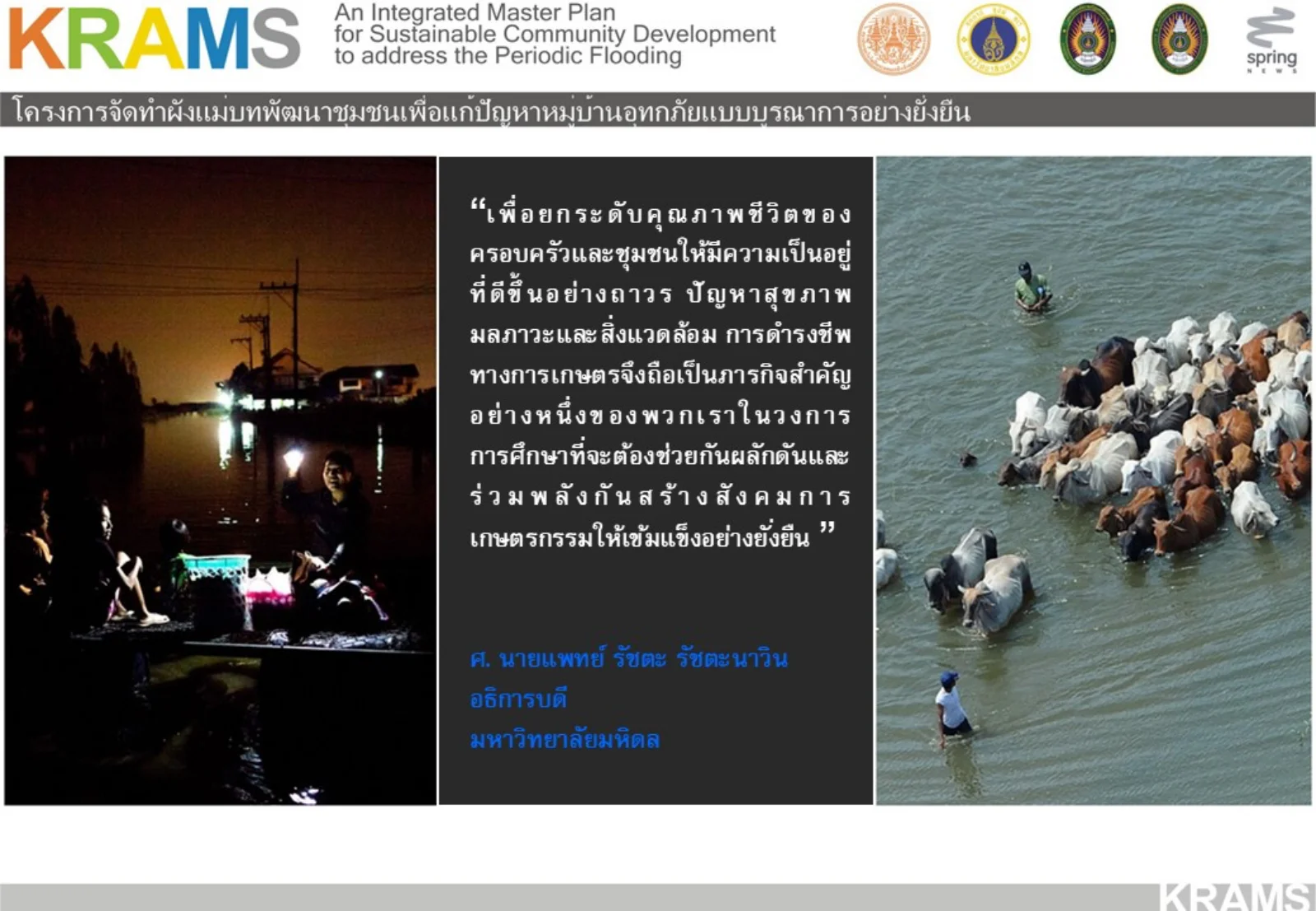
Committed to improving quality of life for families and communities through solutions that address health, environmental challenges, and the long-term strength of agricultural society.
King Mongkut’s Institute of Technology Ladkrabang (KMITL)
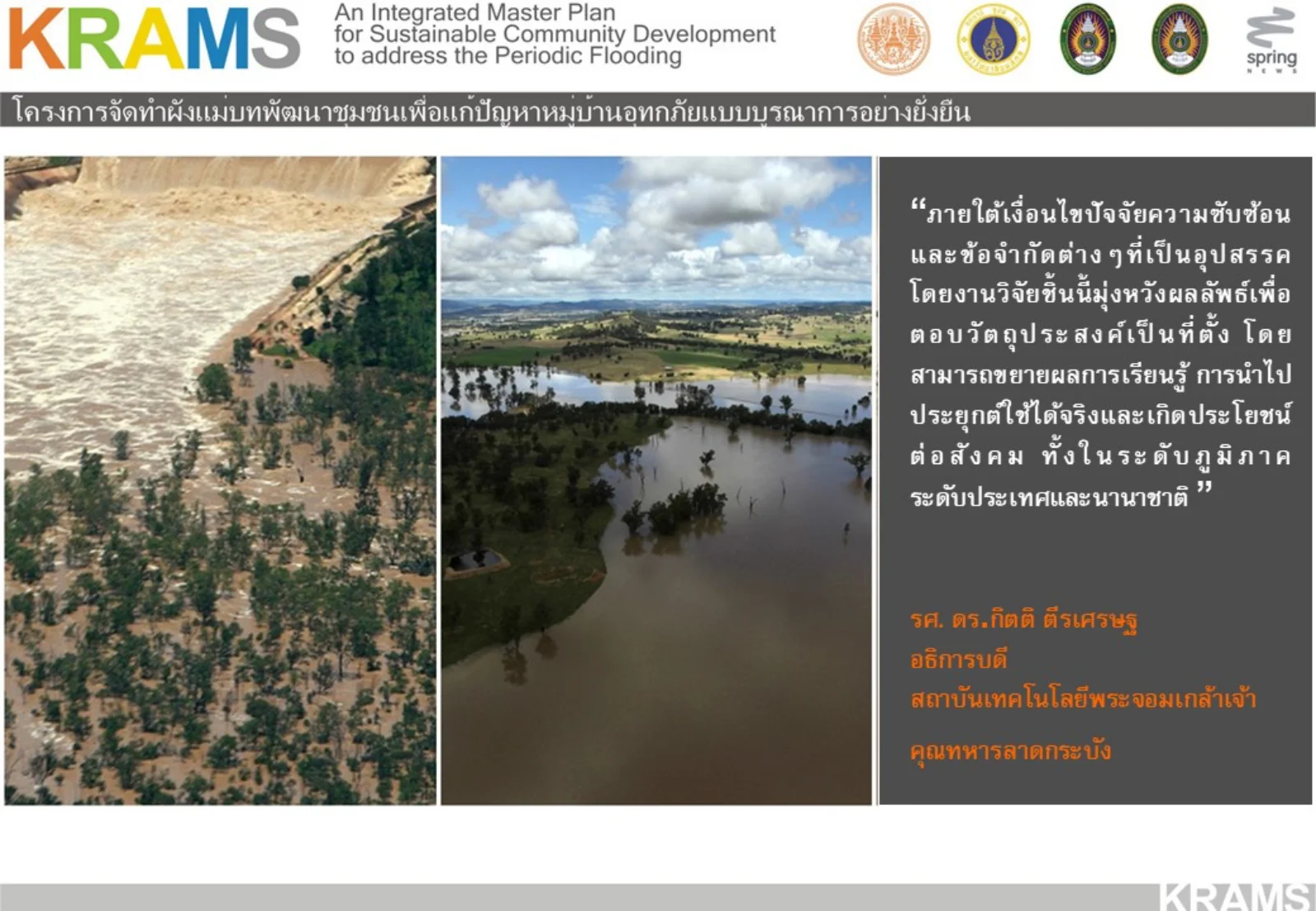
Focused on producing research outcomes that are practical, implementable, and scalable at regional, national, and international levels, even under complex constraints.
Nakhon Sawan Rajabhat University
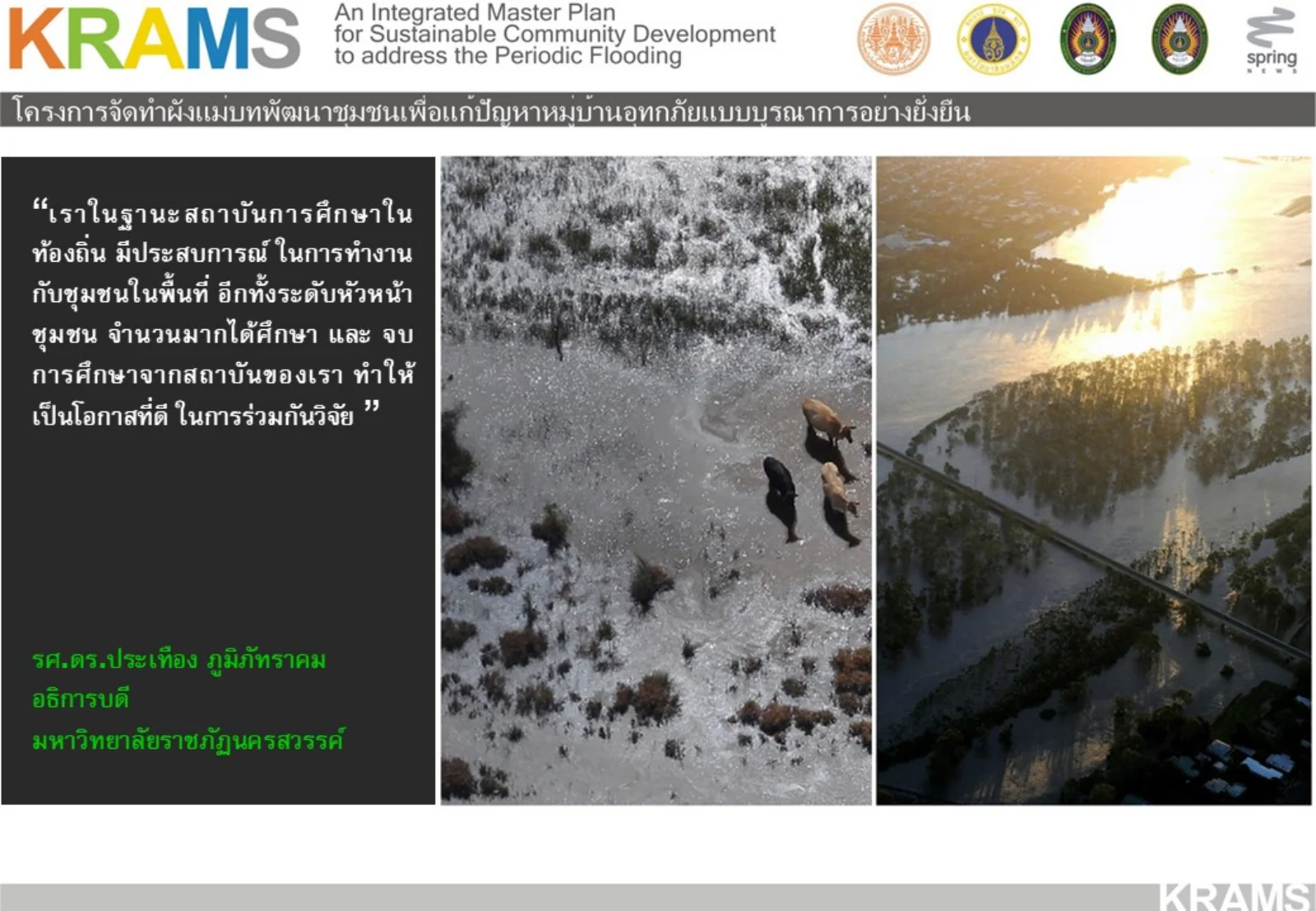
Emphasizes the critical role of local educational institutions with hands-on experience working closely with community leaders and residents to ensure research leads to real-world impact.
Key Concepts
- Integrated Master Plan: A holistic planning framework that connects spatial, social, economic, and environmental dimensions.
- Sustainable Development: Development that balances present needs with long-term environmental, social, and economic resilience.
- Periodic Flooding: Recurring flood events that require adaptive, long-term solutions rather than emergency responses.
- Agricultural Sector: The foundation of food security, rural livelihoods, and national resilience.
- Infrastructure: Essential public systems that must be redesigned for flood resilience and sustainability.
- Social Inequality: Disparities between communities that integrated planning seeks to reduce through inclusive development.